Juvenile African Angel (Africanus)
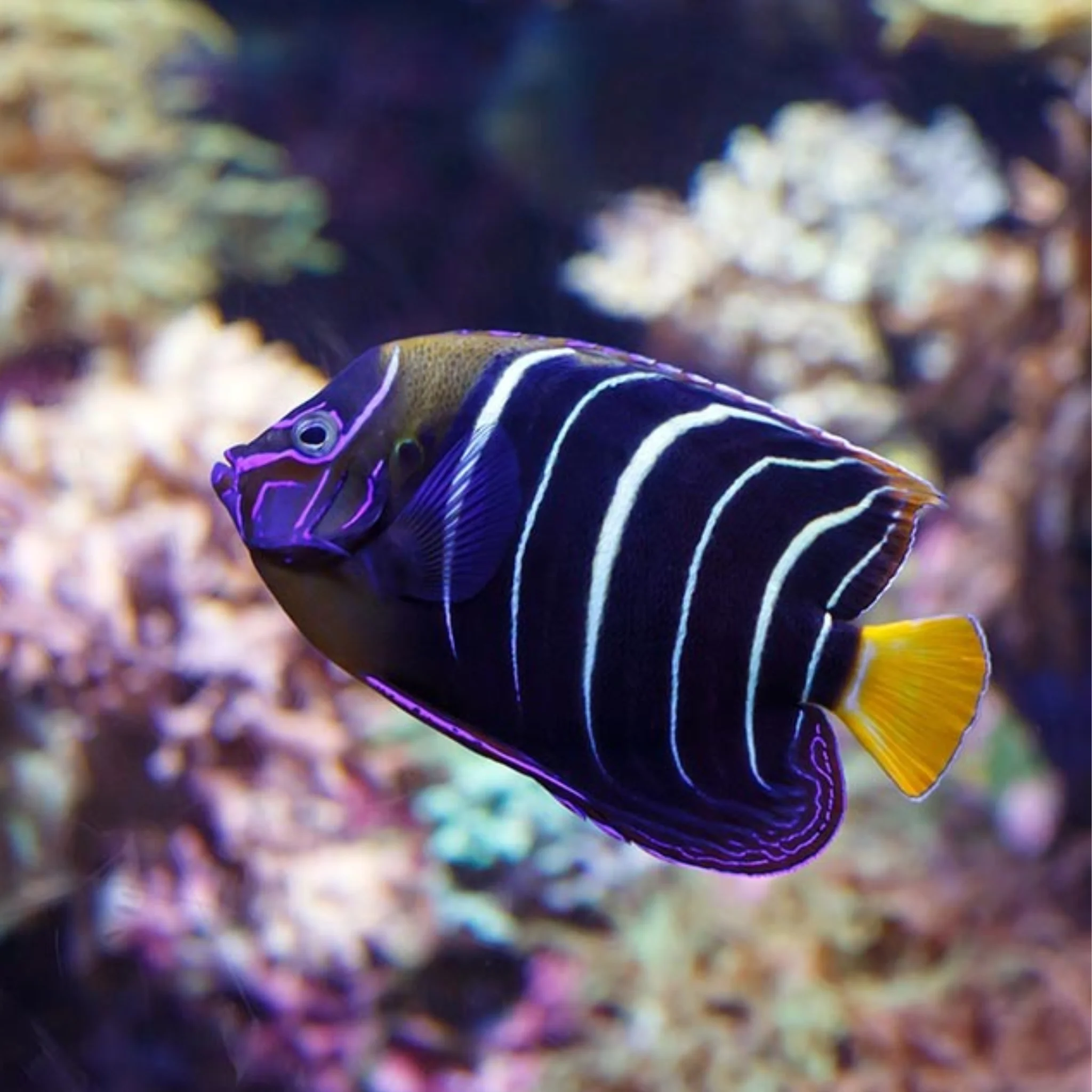
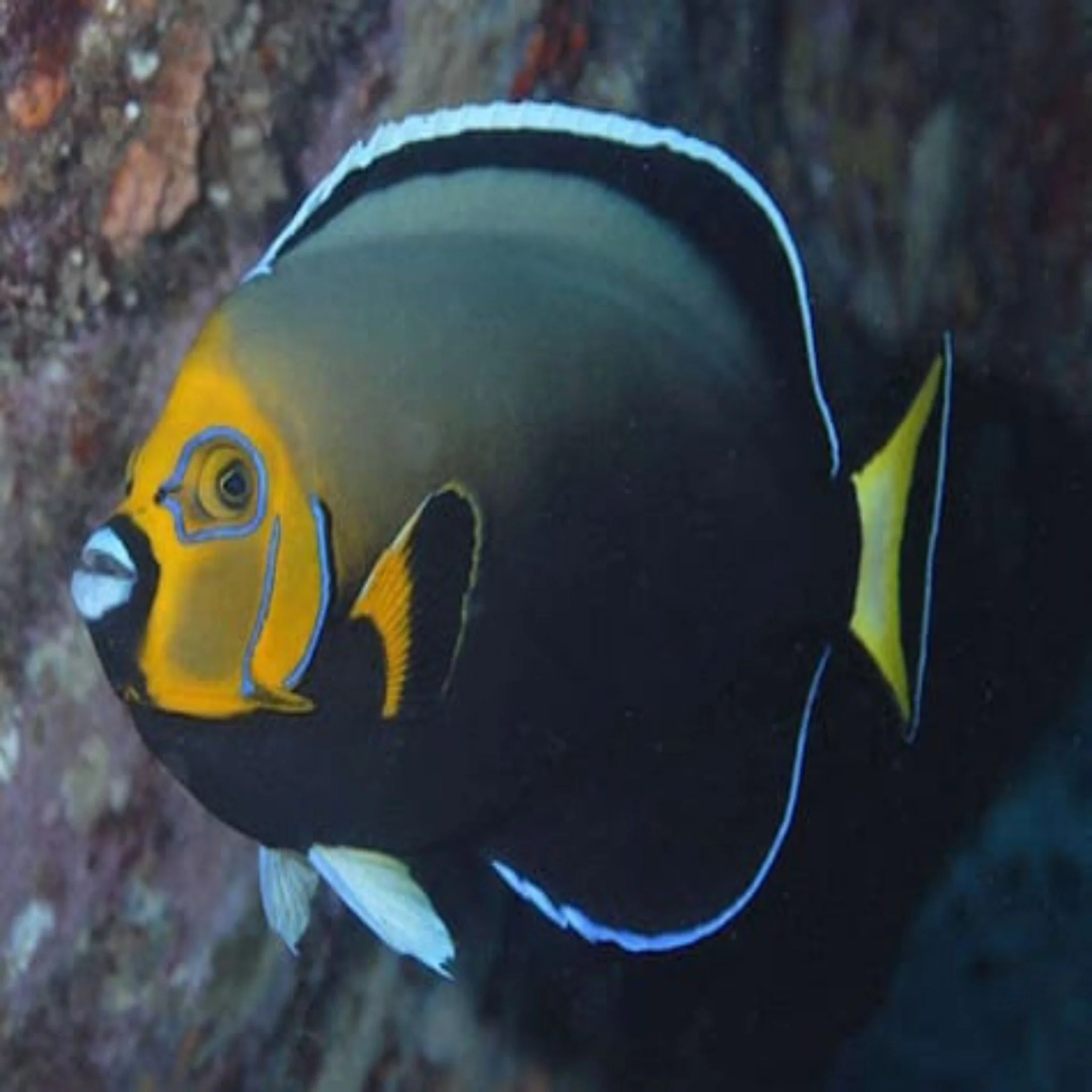
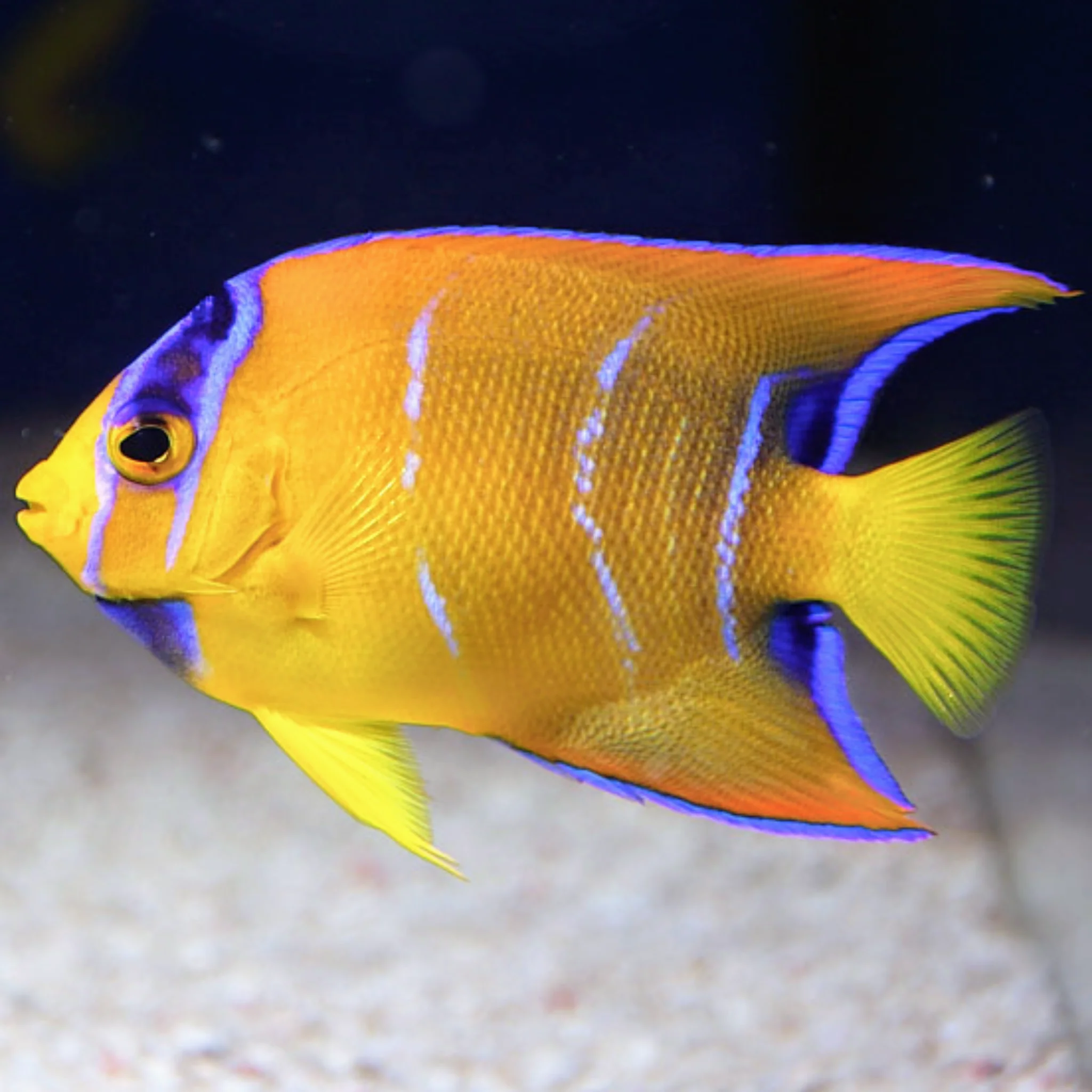
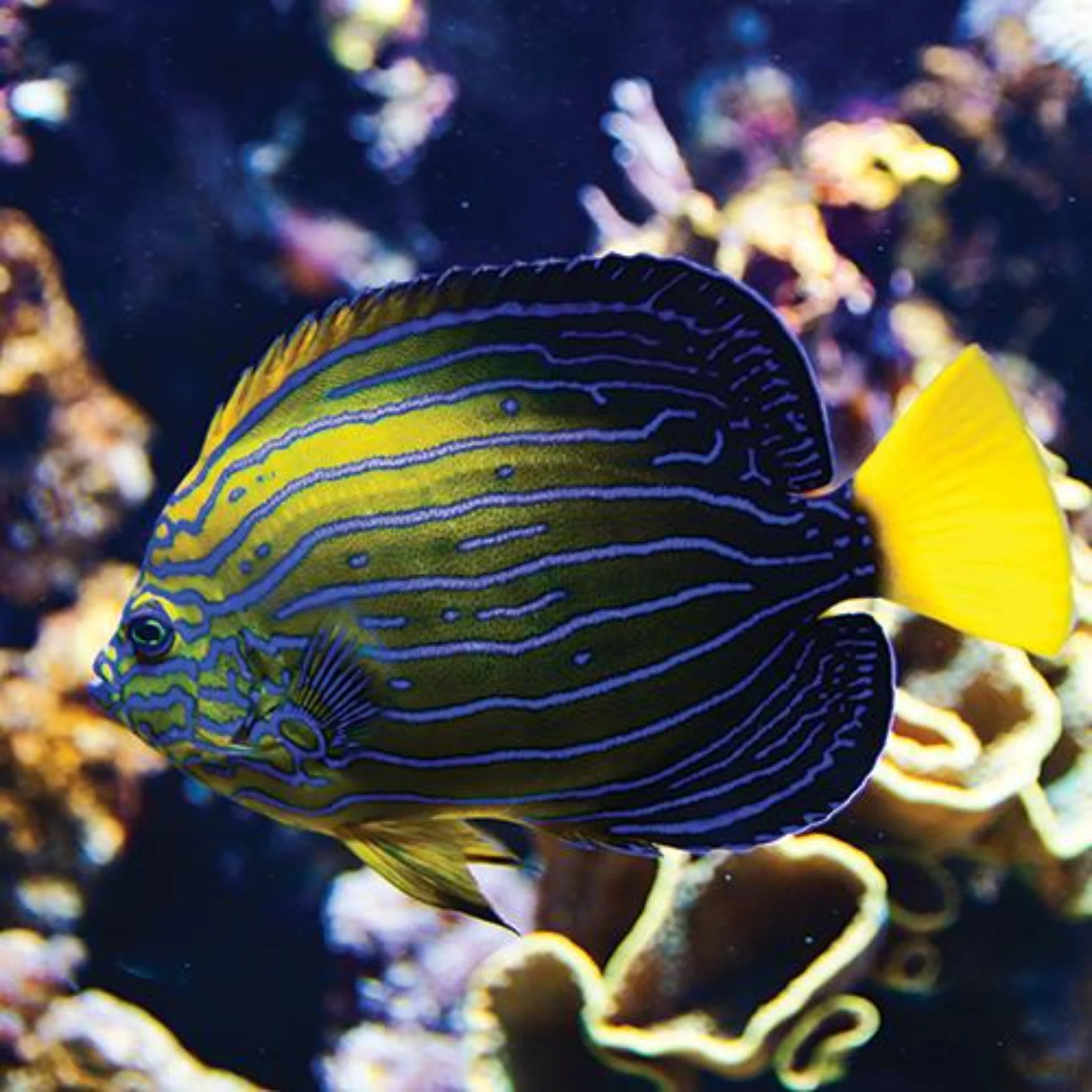
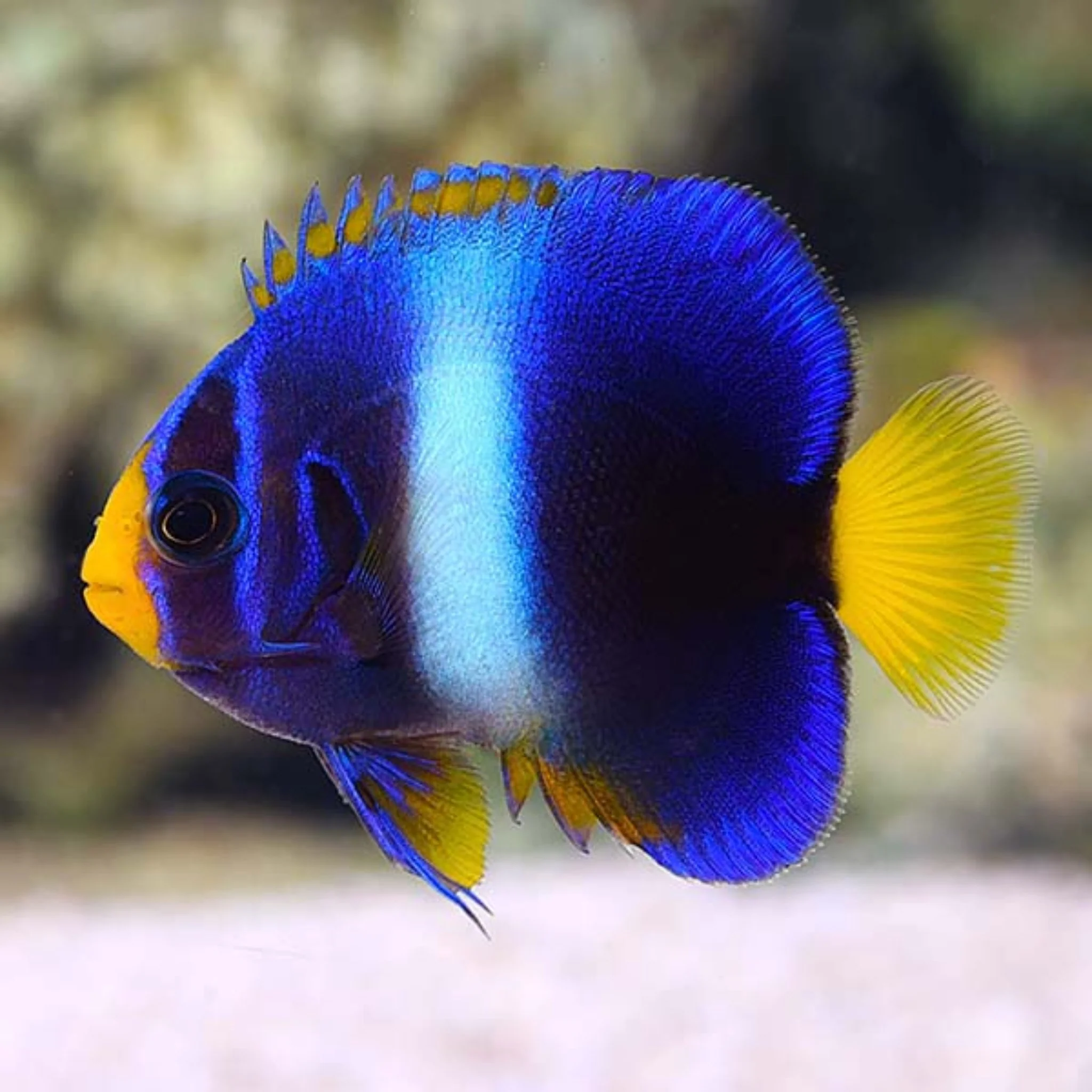
The West African Angelfish also known as the African Angelfish or Guinean Angelfish. The juveniles are a beautiful blue color with a yellow tail. When reaching approximately 1-1/2 to 2 inches the juveniles will start to change color. The edge of the fish will turn orange and the blue color will start to disappear turning yellow to olive green.
The West African Angelfish can grow to over 12 inches, so it requires at least a 150-gallon aquarium. It is a hardy fish, but can become aggressive, so it should be kept with other semi-aggressive tank mates. It grazes on live rock and may nip at stony and soft corals and clam mantles.
Product Information
Product Information
Shipping & Returns
Shipping & Returns
Juvenile African Angel (Africanus)
Juvenile African Angel (Africanus)
The West African Angelfish also known as the African Angelfish or Guinean Angelfish. The juveniles are a beautiful blue color with a yellow tail. When reaching approximately 1-1/2 to 2 inches the juveniles will start to change color. The edge of the fish will turn orange and the blue color will start to disappear turning yellow to olive green.
The West African Angelfish can grow to over 12 inches, so it requires at least a 150-gallon aquarium. It is a hardy fish, but can become aggressive, so it should be kept with other semi-aggressive tank mates. It grazes on live rock and may nip at stony and soft corals and clam mantles.
Product Information
Product Information
Shipping & Returns
Shipping & Returns
Description
The West African Angelfish also known as the African Angelfish or Guinean Angelfish. The juveniles are a beautiful blue color with a yellow tail. When reaching approximately 1-1/2 to 2 inches the juveniles will start to change color. The edge of the fish will turn orange and the blue color will start to disappear turning yellow to olive green.
The West African Angelfish can grow to over 12 inches, so it requires at least a 150-gallon aquarium. It is a hardy fish, but can become aggressive, so it should be kept with other semi-aggressive tank mates. It grazes on live rock and may nip at stony and soft corals and clam mantles.