Talbot's Damsel - Chrysiptera talboti
Talbot’s Damsel (Chrysiptera talboti)
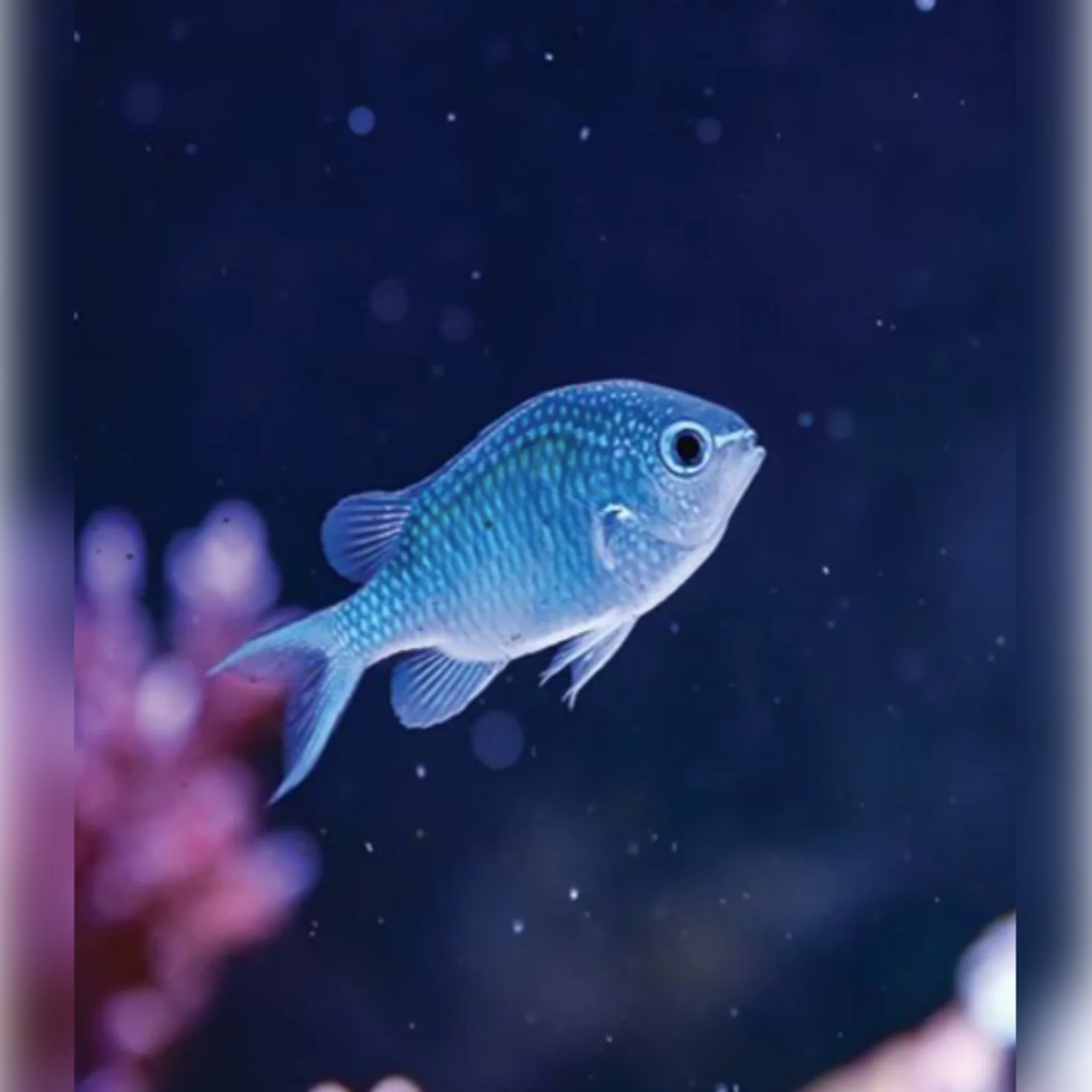
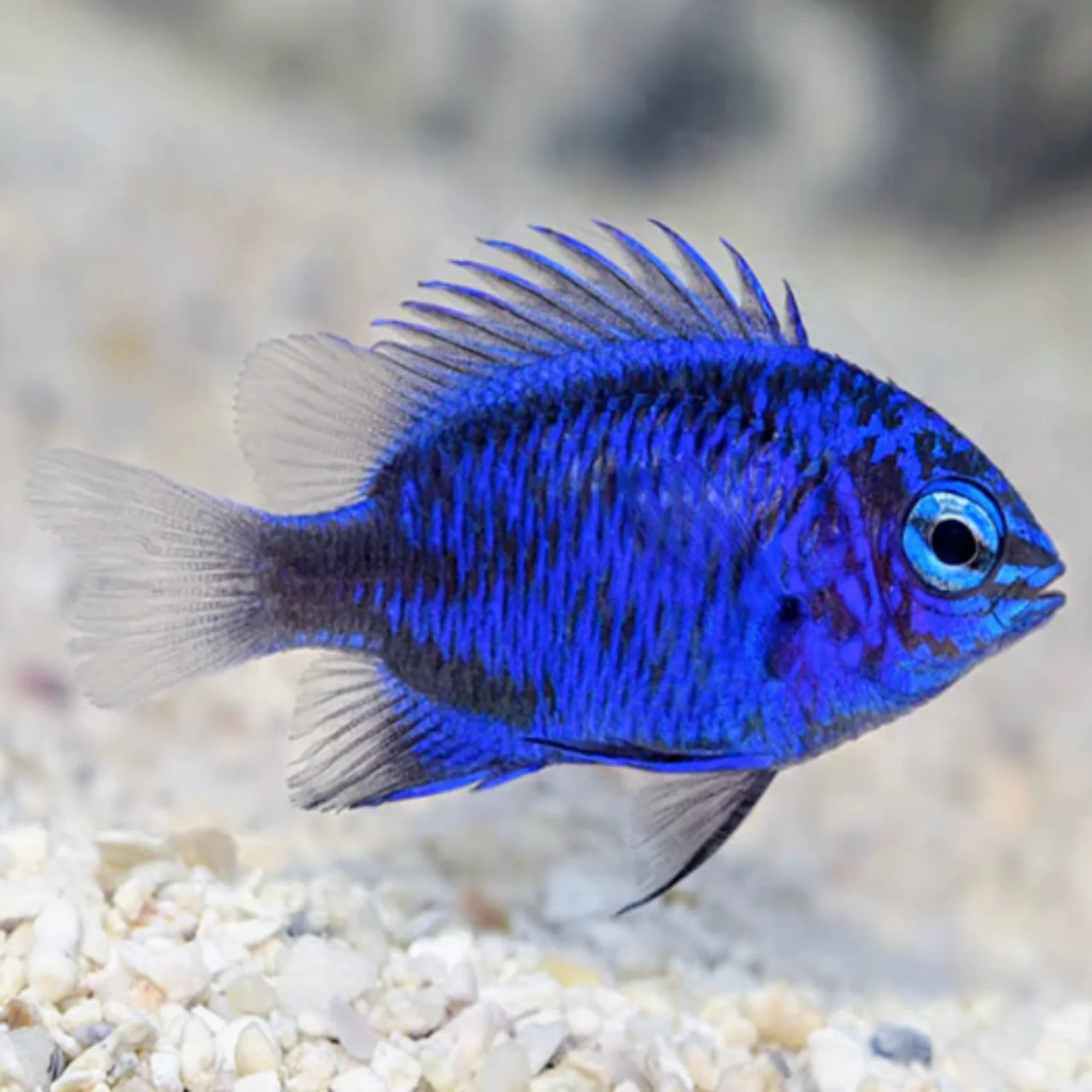
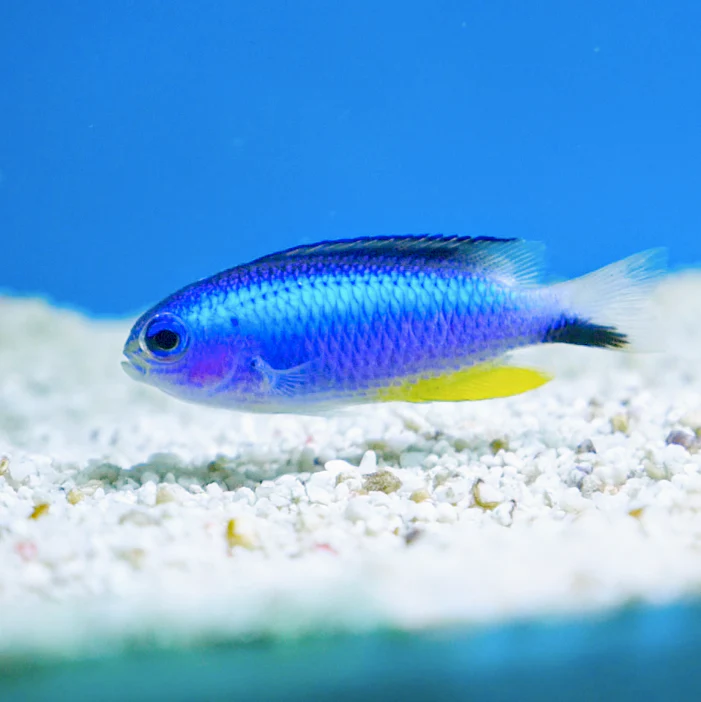
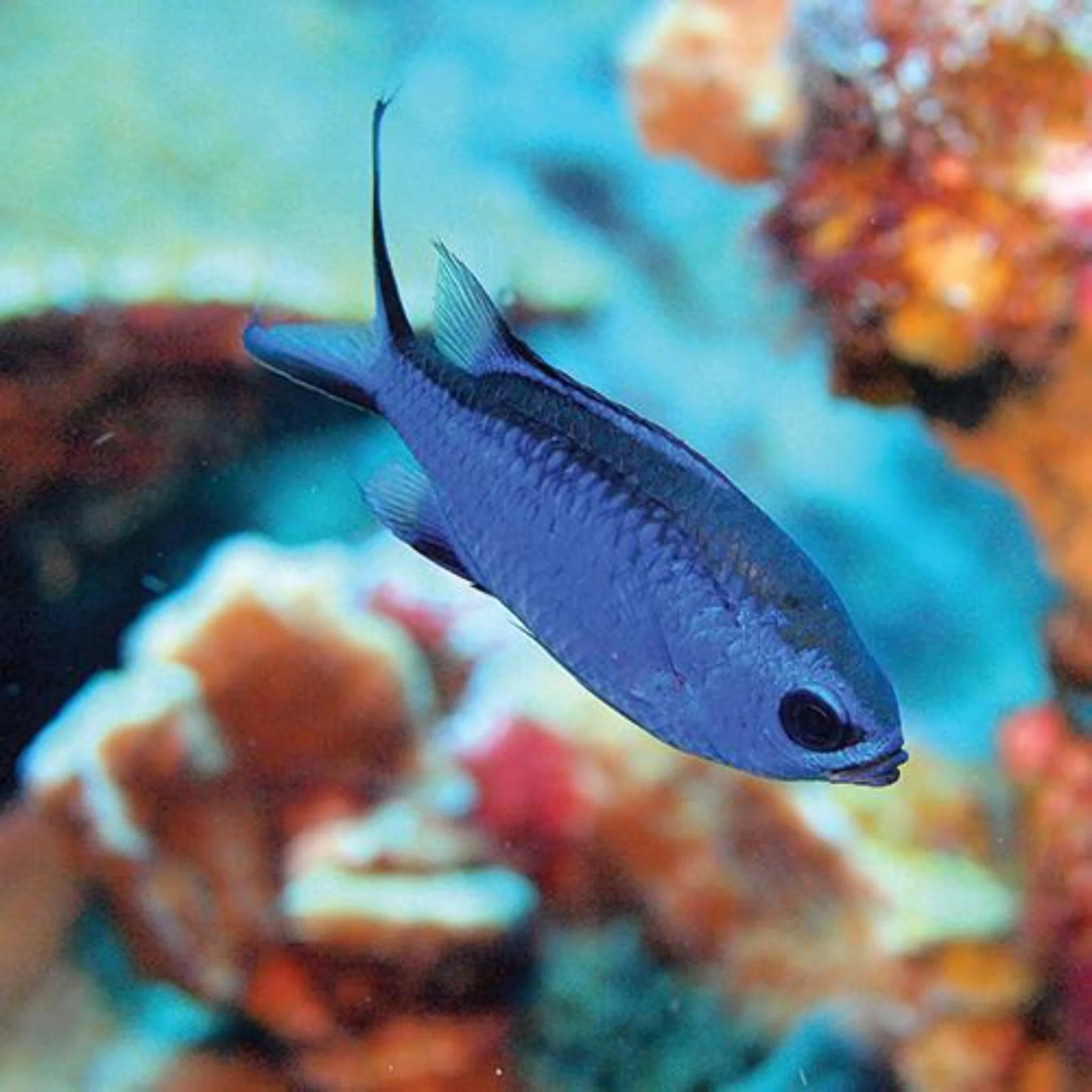
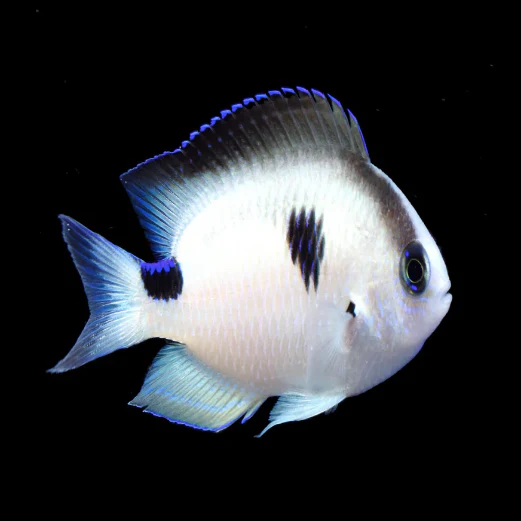
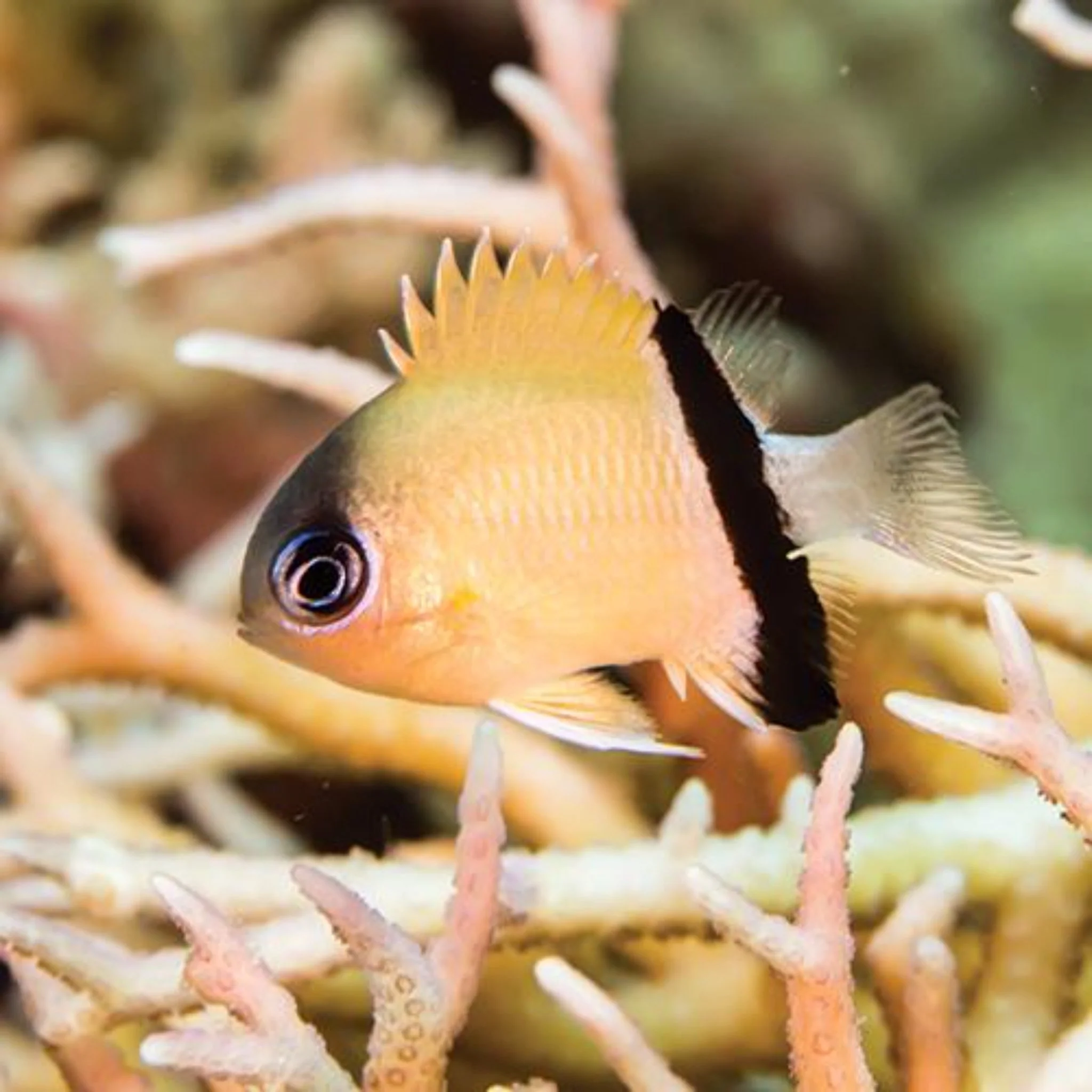
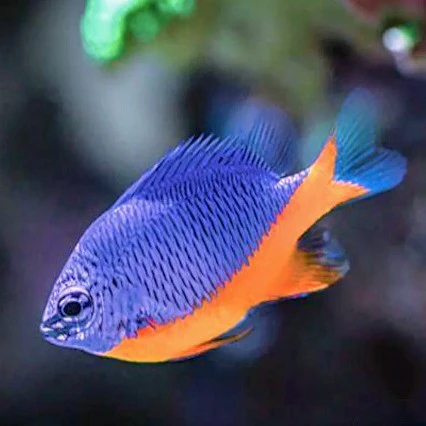
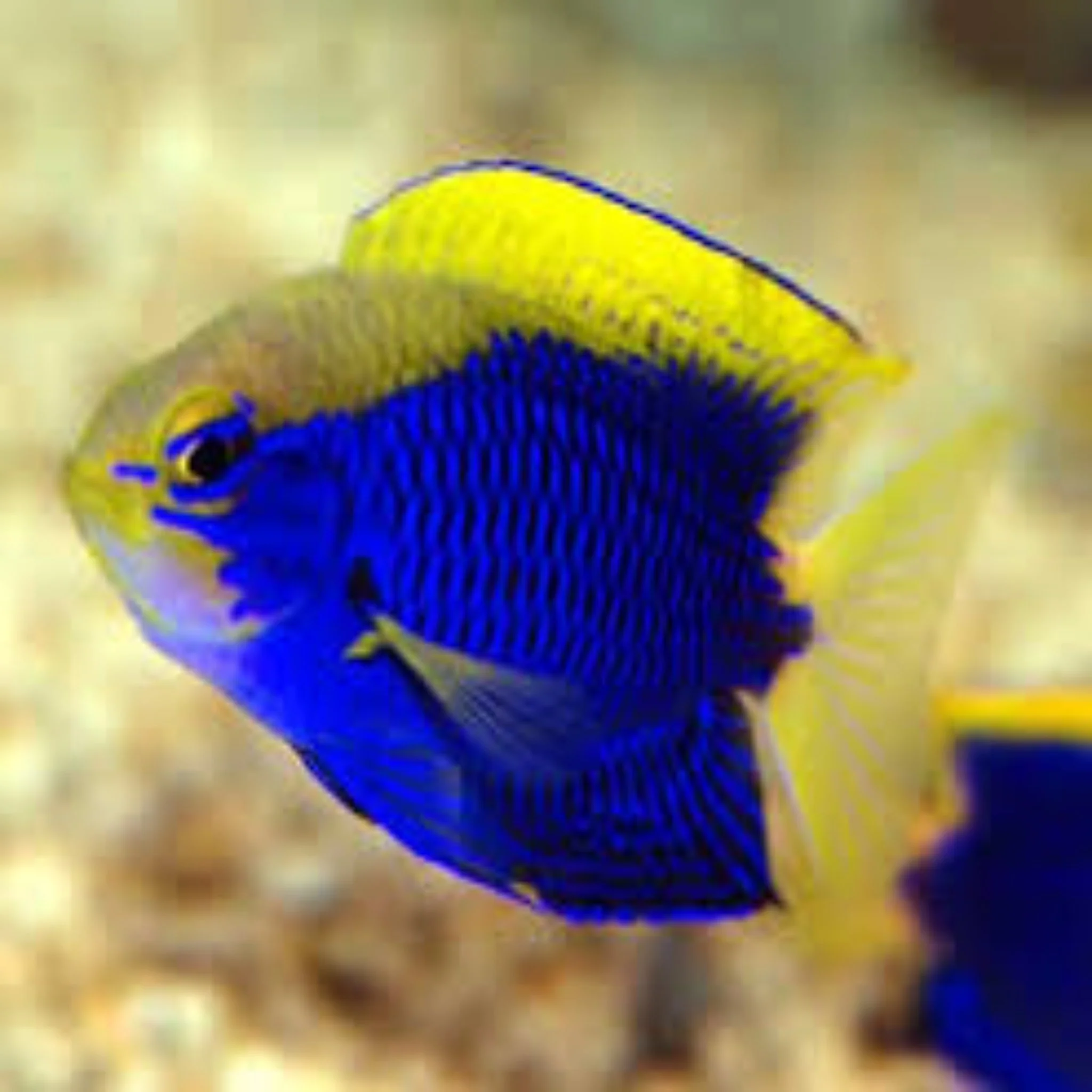
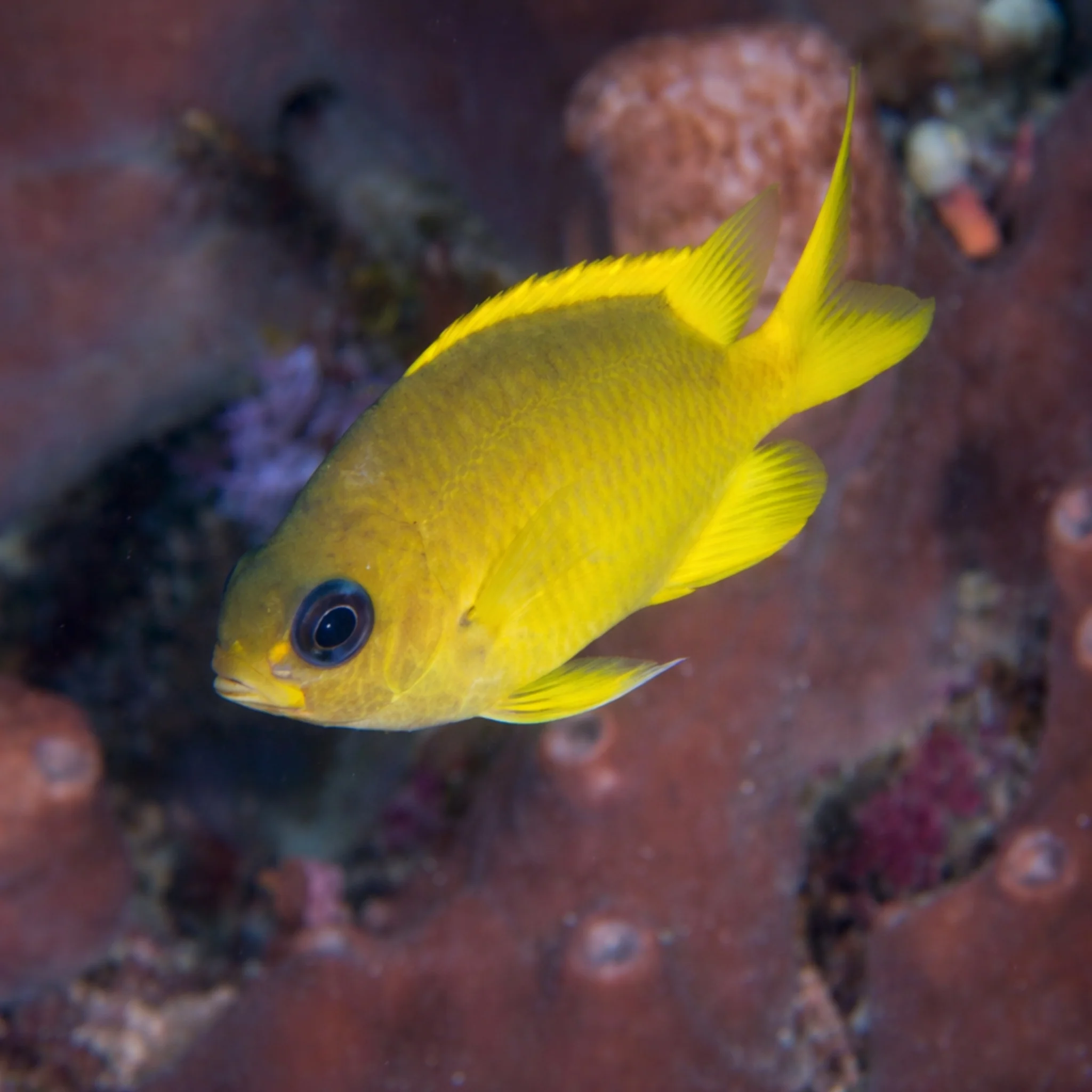
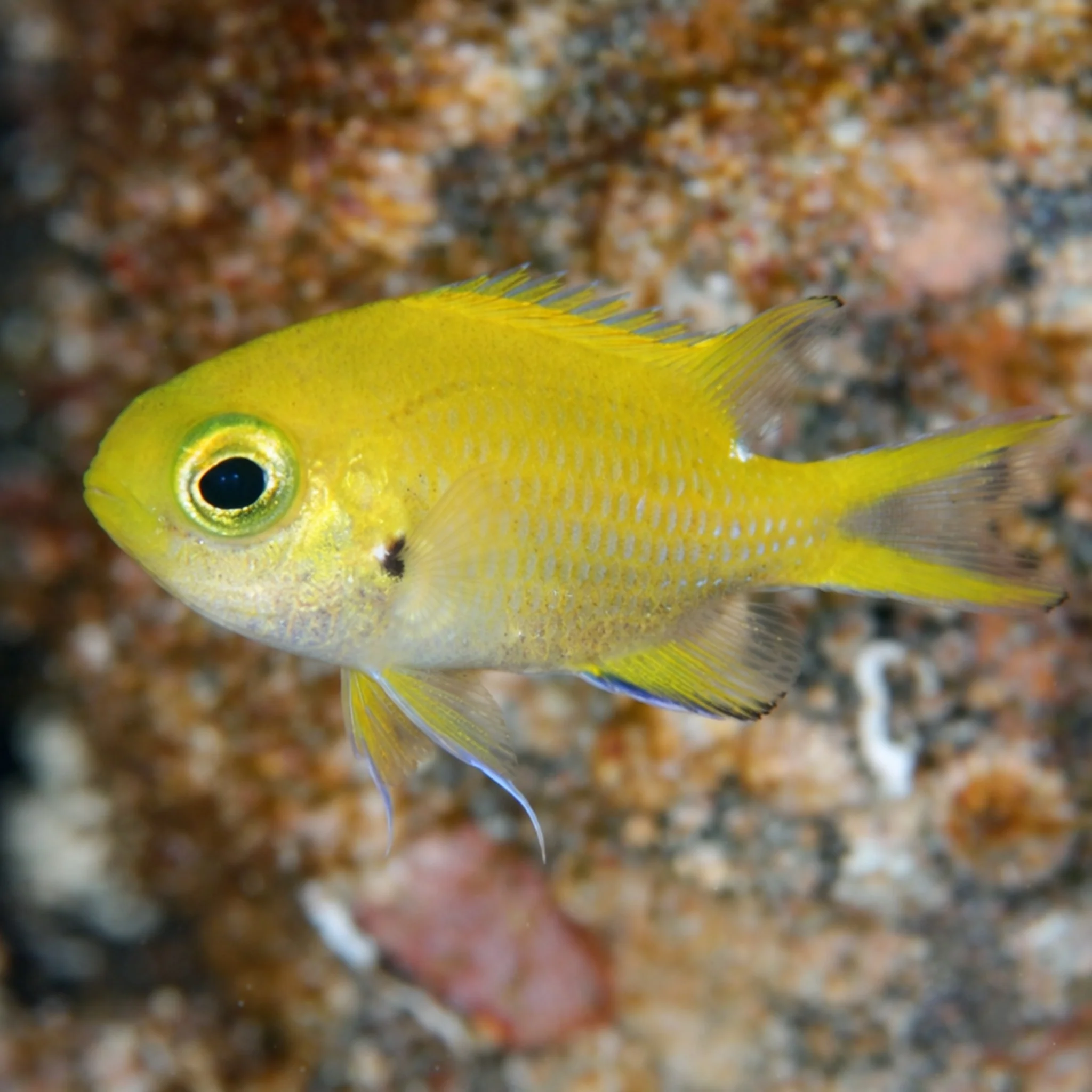
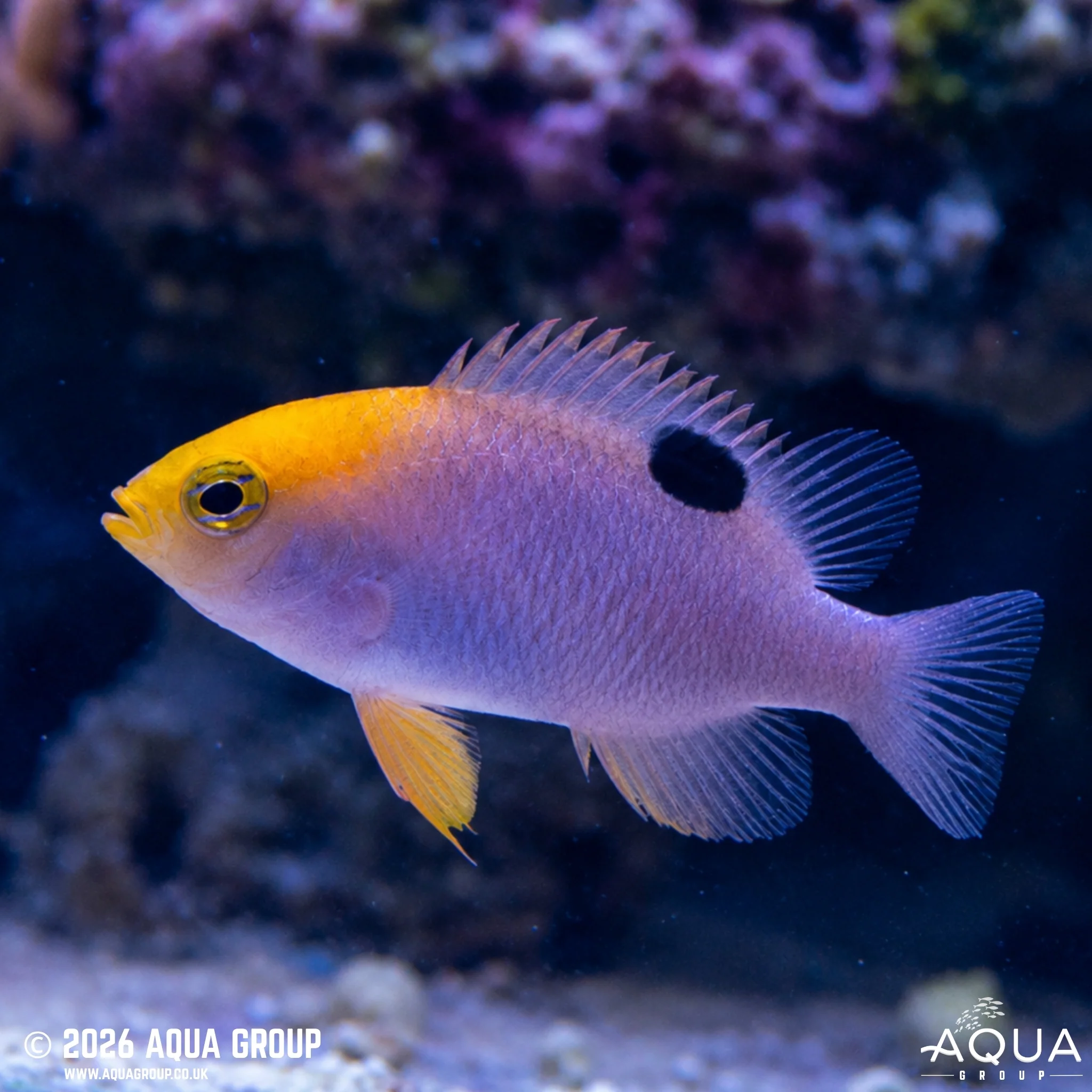
The Talbot’s Damsel is a small, colourful and relatively manageable marine damselfish, known for its soft lavender to pale purple body, bright yellow face and distinctive dark spot towards the rear of the dorsal fin. Also known as Talbot’s Demoiselle, this species is generally less aggressive than many classic damselfish, making it a good option for reef aquariums where a hardy, active and colourful small fish is desired. It can still become territorial once settled, so careful stocking and adequate rockwork are important.
Common Name:
Talbot’s Damsel. Also commonly referred to as Talbot’s Demoiselle, Talbot’s Damselfish, Sunface Damselfish or Yellow Head Damsel.
Scientific Name (Latin):
Chrysiptera talboti
Maximum Size:
Around 6 cm, making it a small damselfish species.
Water Type:
Marine.
Origin / Natural Habitat:
Found across the Eastern Indian Ocean and Western Pacific, including the Andaman Sea, Palau, Fiji, the Great Barrier Reef and surrounding reef regions. In the wild it inhabits coral-rich seaward reef slopes, deep lagoons and mixed coral-rubble patches, usually close to shelter. It is generally found from around 3–35 metres depth.
Water Parameters:
Temperature: 24–27°C
pH Range: 8.1–8.4
Salinity: 1.020–1.025 SG
Temperament:
Semi-aggressive. This is one of the more peaceful Chrysiptera damselfish, but it may still defend a chosen cave, rock ledge or section of the aquarium once established. It is best kept with other peaceful-to-semi-aggressive marine fish that will not be intimidated by an active damsel.
Diet:
Omnivorous, with a natural preference for zooplankton. In the aquarium it should be offered a varied diet including quality marine flakes, small pellets, frozen mysis, brineshrimp, copepods, finely chopped krill and other small marine foods. Several small feeds are better than one large feed.
Minimum Tank Size:
A practical recommendation is at least 100–120 litres for a single specimen, with larger aquariums preferred if keeping multiple damsels or other territorial reef fish.
Behaviour & Activity:
This is an active reef-associated fish that spends much of its time swimming just above and around rockwork, coral heads and rubble areas. It may be kept singly, and in larger aquariums experienced keepers may keep small groups if introduced together with plenty of rockwork and territory breaks. It is diurnal and usually very visible once settled.
Reef Safe:
Reef Safe
This species is generally considered safe with corals and most common reef invertebrates. The main consideration is territorial behaviour towards other fish rather than coral damage.
Special Requirements or Care Notes:
Best kept in a mature marine aquarium with stable water quality, good oxygenation, live rock and plenty of hiding places. Although hardy once settled, it should still be introduced to a properly cycled system. Avoid placing it in very small tanks with timid fish, as even milder damsels can become assertive if space is limited.
Suitable for:
Beginner to intermediate marine fishkeepers
Availability:
Occasional in trade
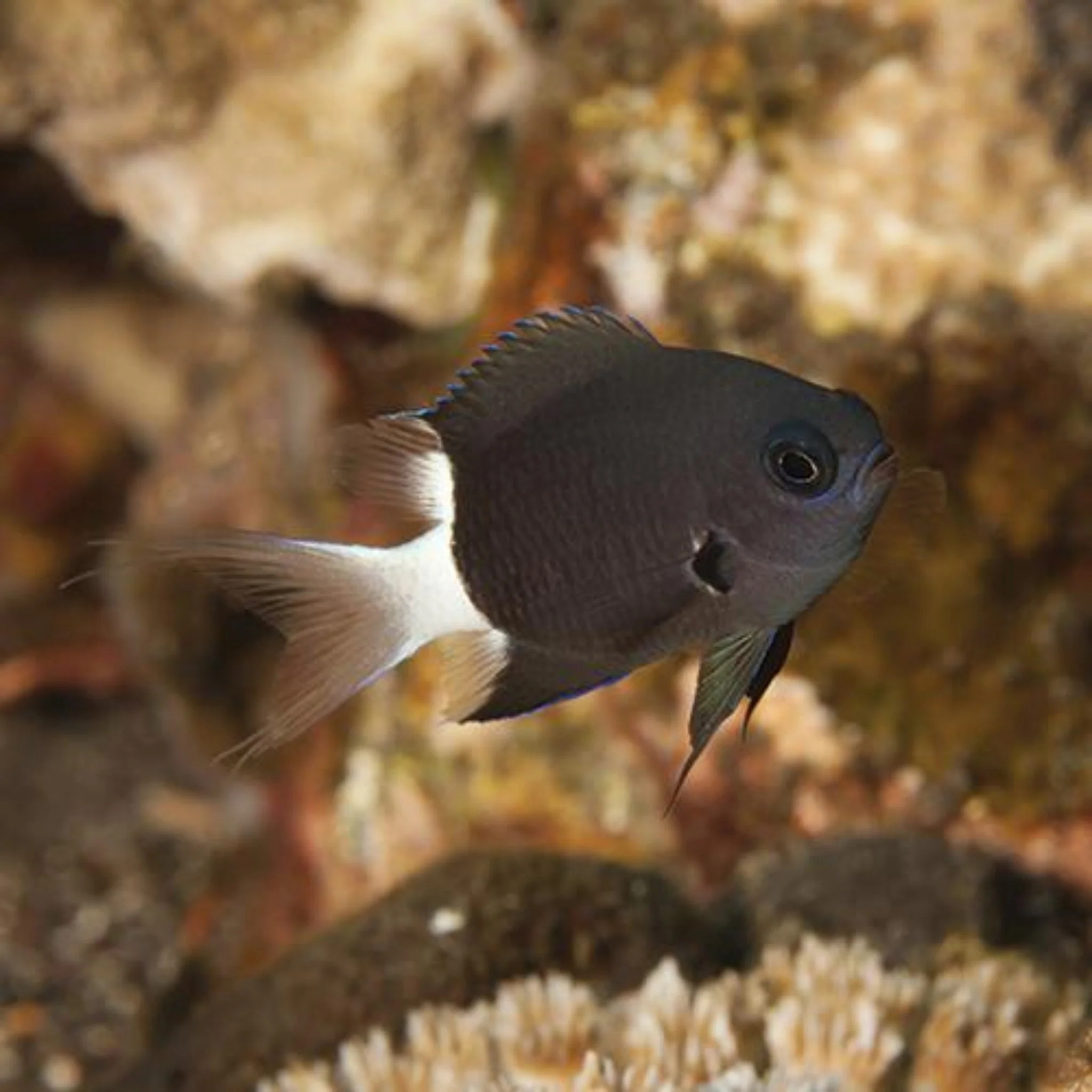
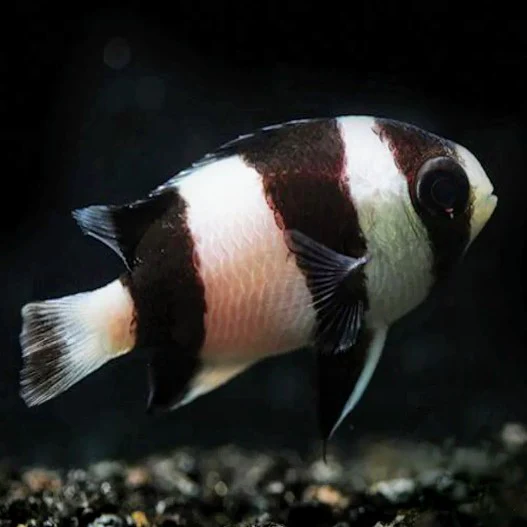
All images are a visual representation of the fish you will receive, made to be as accurate as possible. Please note that Mother Nature is a wonderful thing, and variation in patterns and colours will occur — that is part of the unique beauty of these animals.
Product Information
Product Information
Shipping & Returns
Shipping & Returns
Talbot's Damsel - Chrysiptera talboti
Talbot's Damsel - Chrysiptera talboti
Talbot’s Damsel (Chrysiptera talboti)
The Talbot’s Damsel is a small, colourful and relatively manageable marine damselfish, known for its soft lavender to pale purple body, bright yellow face and distinctive dark spot towards the rear of the dorsal fin. Also known as Talbot’s Demoiselle, this species is generally less aggressive than many classic damselfish, making it a good option for reef aquariums where a hardy, active and colourful small fish is desired. It can still become territorial once settled, so careful stocking and adequate rockwork are important.
Common Name:
Talbot’s Damsel. Also commonly referred to as Talbot’s Demoiselle, Talbot’s Damselfish, Sunface Damselfish or Yellow Head Damsel.
Scientific Name (Latin):
Chrysiptera talboti
Maximum Size:
Around 6 cm, making it a small damselfish species.
Water Type:
Marine.
Origin / Natural Habitat:
Found across the Eastern Indian Ocean and Western Pacific, including the Andaman Sea, Palau, Fiji, the Great Barrier Reef and surrounding reef regions. In the wild it inhabits coral-rich seaward reef slopes, deep lagoons and mixed coral-rubble patches, usually close to shelter. It is generally found from around 3–35 metres depth.
Water Parameters:
Temperature: 24–27°C
pH Range: 8.1–8.4
Salinity: 1.020–1.025 SG
Temperament:
Semi-aggressive. This is one of the more peaceful Chrysiptera damselfish, but it may still defend a chosen cave, rock ledge or section of the aquarium once established. It is best kept with other peaceful-to-semi-aggressive marine fish that will not be intimidated by an active damsel.
Diet:
Omnivorous, with a natural preference for zooplankton. In the aquarium it should be offered a varied diet including quality marine flakes, small pellets, frozen mysis, brineshrimp, copepods, finely chopped krill and other small marine foods. Several small feeds are better than one large feed.
Minimum Tank Size:
A practical recommendation is at least 100–120 litres for a single specimen, with larger aquariums preferred if keeping multiple damsels or other territorial reef fish.
Behaviour & Activity:
This is an active reef-associated fish that spends much of its time swimming just above and around rockwork, coral heads and rubble areas. It may be kept singly, and in larger aquariums experienced keepers may keep small groups if introduced together with plenty of rockwork and territory breaks. It is diurnal and usually very visible once settled.
Reef Safe:
Reef Safe
This species is generally considered safe with corals and most common reef invertebrates. The main consideration is territorial behaviour towards other fish rather than coral damage.
Special Requirements or Care Notes:
Best kept in a mature marine aquarium with stable water quality, good oxygenation, live rock and plenty of hiding places. Although hardy once settled, it should still be introduced to a properly cycled system. Avoid placing it in very small tanks with timid fish, as even milder damsels can become assertive if space is limited.
Suitable for:
Beginner to intermediate marine fishkeepers
Availability:
Occasional in trade
All images are a visual representation of the fish you will receive, made to be as accurate as possible. Please note that Mother Nature is a wonderful thing, and variation in patterns and colours will occur — that is part of the unique beauty of these animals.
Product Information
Product Information
Shipping & Returns
Shipping & Returns
Description
Talbot’s Damsel (Chrysiptera talboti)
The Talbot’s Damsel is a small, colourful and relatively manageable marine damselfish, known for its soft lavender to pale purple body, bright yellow face and distinctive dark spot towards the rear of the dorsal fin. Also known as Talbot’s Demoiselle, this species is generally less aggressive than many classic damselfish, making it a good option for reef aquariums where a hardy, active and colourful small fish is desired. It can still become territorial once settled, so careful stocking and adequate rockwork are important.
Common Name:
Talbot’s Damsel. Also commonly referred to as Talbot’s Demoiselle, Talbot’s Damselfish, Sunface Damselfish or Yellow Head Damsel.
Scientific Name (Latin):
Chrysiptera talboti
Maximum Size:
Around 6 cm, making it a small damselfish species.
Water Type:
Marine.
Origin / Natural Habitat:
Found across the Eastern Indian Ocean and Western Pacific, including the Andaman Sea, Palau, Fiji, the Great Barrier Reef and surrounding reef regions. In the wild it inhabits coral-rich seaward reef slopes, deep lagoons and mixed coral-rubble patches, usually close to shelter. It is generally found from around 3–35 metres depth.
Water Parameters:
Temperature: 24–27°C
pH Range: 8.1–8.4
Salinity: 1.020–1.025 SG
Temperament:
Semi-aggressive. This is one of the more peaceful Chrysiptera damselfish, but it may still defend a chosen cave, rock ledge or section of the aquarium once established. It is best kept with other peaceful-to-semi-aggressive marine fish that will not be intimidated by an active damsel.
Diet:
Omnivorous, with a natural preference for zooplankton. In the aquarium it should be offered a varied diet including quality marine flakes, small pellets, frozen mysis, brineshrimp, copepods, finely chopped krill and other small marine foods. Several small feeds are better than one large feed.
Minimum Tank Size:
A practical recommendation is at least 100–120 litres for a single specimen, with larger aquariums preferred if keeping multiple damsels or other territorial reef fish.
Behaviour & Activity:
This is an active reef-associated fish that spends much of its time swimming just above and around rockwork, coral heads and rubble areas. It may be kept singly, and in larger aquariums experienced keepers may keep small groups if introduced together with plenty of rockwork and territory breaks. It is diurnal and usually very visible once settled.
Reef Safe:
Reef Safe
This species is generally considered safe with corals and most common reef invertebrates. The main consideration is territorial behaviour towards other fish rather than coral damage.
Special Requirements or Care Notes:
Best kept in a mature marine aquarium with stable water quality, good oxygenation, live rock and plenty of hiding places. Although hardy once settled, it should still be introduced to a properly cycled system. Avoid placing it in very small tanks with timid fish, as even milder damsels can become assertive if space is limited.
Suitable for:
Beginner to intermediate marine fishkeepers
Availability:
Occasional in trade
All images are a visual representation of the fish you will receive, made to be as accurate as possible. Please note that Mother Nature is a wonderful thing, and variation in patterns and colours will occur — that is part of the unique beauty of these animals.