Regal Tang - Paracanthurus hepatus
Regal Tang (Paracanthurus hepatus)
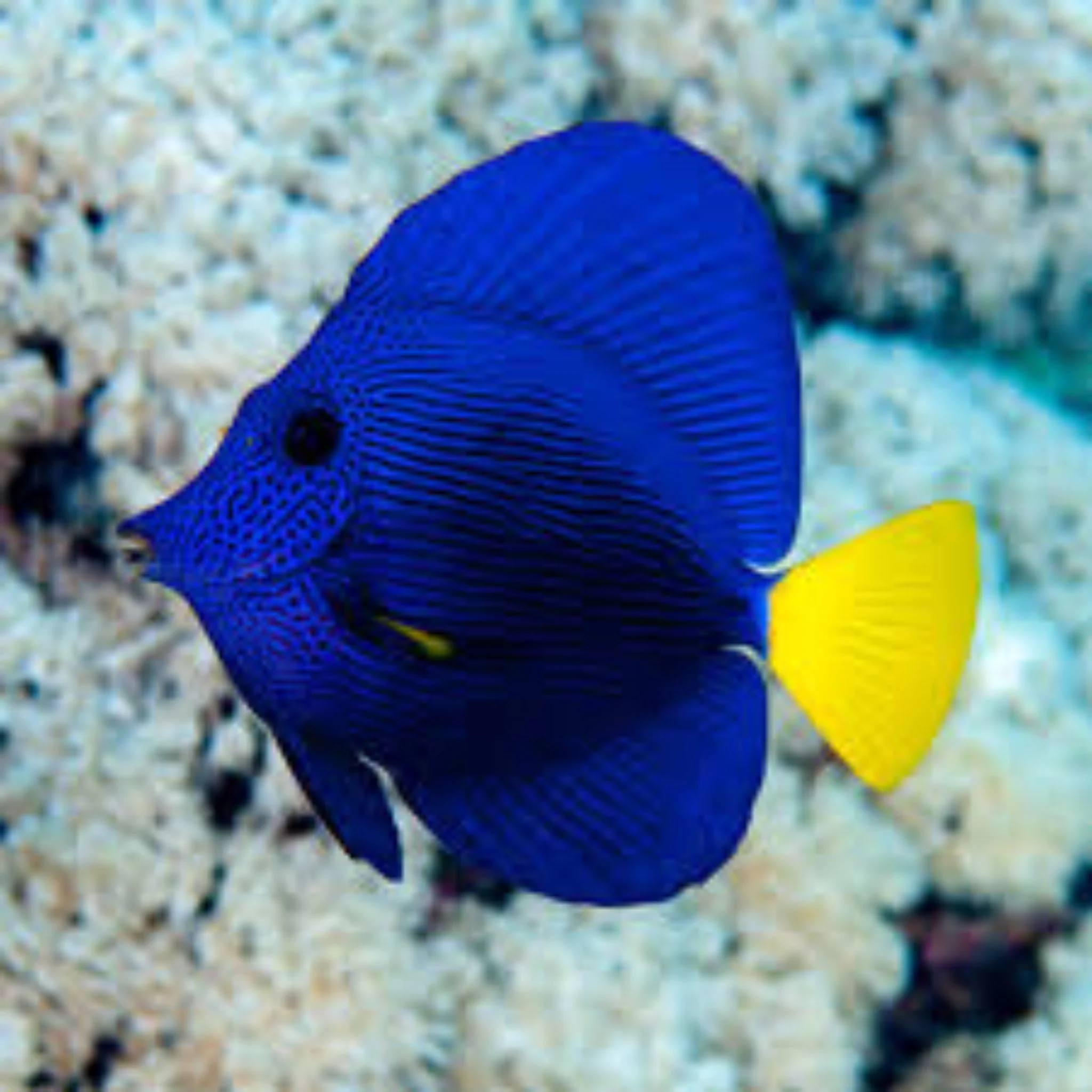
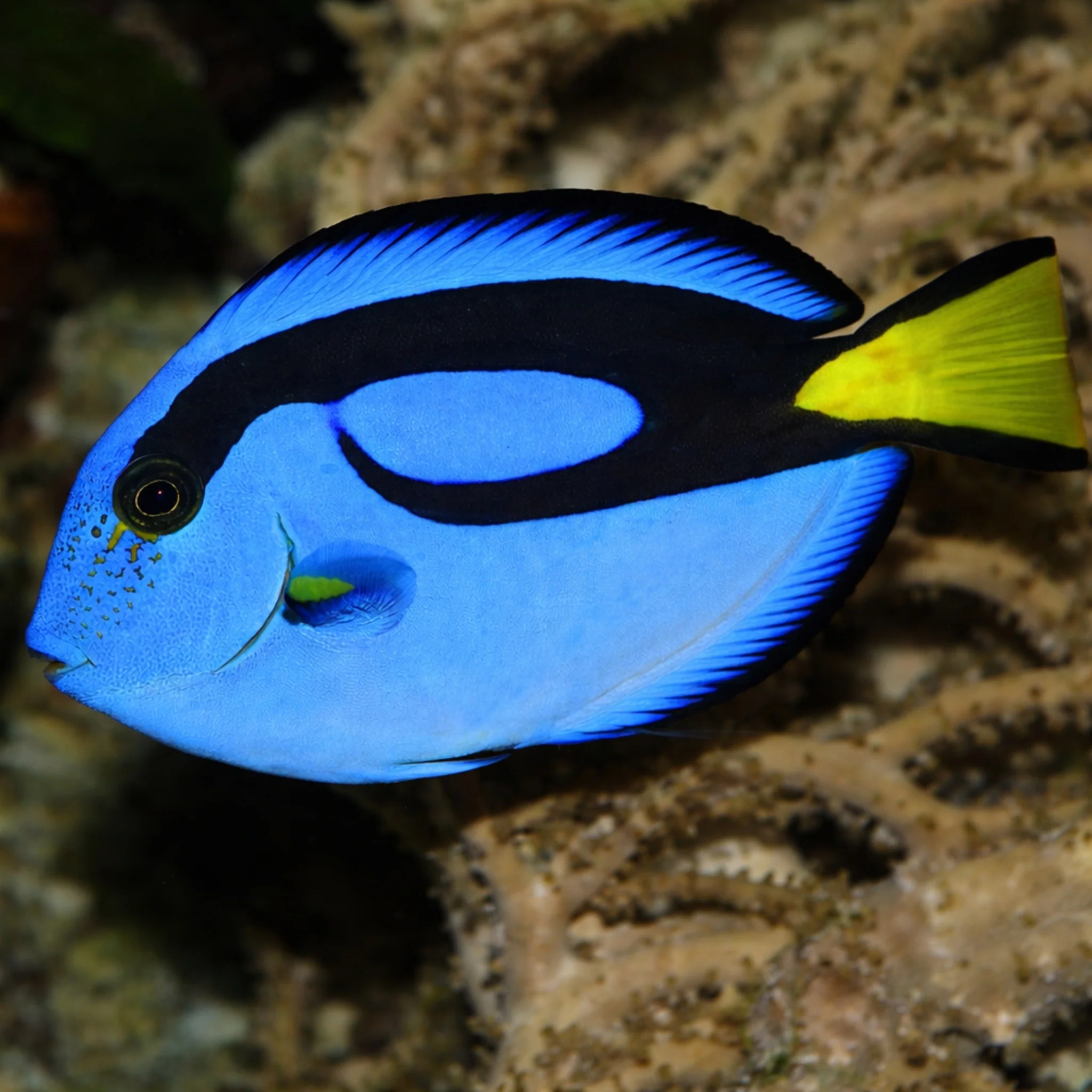
The Regal Tang is one of the most recognisable marine fish in the hobby, admired for its vivid blue body, bold black patterning and bright yellow tail. In the wild it inhabits clear, current-swept seaward reefs, where it is often seen in loose groups above the reef, with juveniles sheltering among branching corals when alarmed. In the aquarium it is an active, open-water swimmer that needs a large, mature system with excellent water quality, plenty of grazing opportunity and calm tankmates.
Common Name:
Regal Tang. It is also commonly known as the Palette Surgeonfish, Blue Tang or Hippo Tang.
Scientific Name (Latin):
Paracanthurus hepatus
Maximum Size:
Up to 31 cm in length.
Water Type:
Marine.
Origin / Natural Habitat:
Found across the Indo-Pacific, from East Africa and the Mascarene Islands east to Kiribati, north to southern Japan, and south to the southern Great Barrier Reef, New Caledonia and Samoa. It is a reef-associated species typically found from around 2–40 metres depth.
Water Parameters:
Temperature: 24–26°C
pH Range: 7.9–8.3
Salinity: 1.020–1.025 SG
Temperament:
Generally peaceful, but it may become territorial towards other tangs or surgeonfish, especially in smaller aquaria or where swimming space is limited. Adults usually do best with peaceful tankmates and plenty of room.
Diet:
Omnivorous, feeding naturally on zooplankton and some algae. In captivity it should be offered a varied diet of small meaty marine foods alongside marine algae, nori and spirulina-based foods. Regular feeding is important for long-term health and condition.
Minimum Tank Size:
700 litres minimum is a sensible long-term baseline, with larger aquaria strongly preferred for adult fish due to their size and constant swimming behaviour. Juveniles can start smaller, but large adults need very spacious systems.
Behaviour & Activity:
A highly active, diurnal swimmer that spends much of the day cruising open water and grazing around rockwork. Juveniles and subadults often use branching corals as shelter, while adults require plenty of open swimming lanes and hiding places within the aquascape.
Reef Safe:
Reef Safe
This species is generally suitable for reef aquaria and is unlikely to bother most corals or invertebrates when feeding well, but caution is still sensible. Larger or underfed specimens may occasionally pick at some fleshy corals or other sessile invertebrates, so monitor behaviour closely and keep feeding consistent.
Special Requirements or Care Notes:
Best kept in a well-established marine aquarium with excellent circulation, strong oxygenation, abundant swimming room and plenty of live rock for grazing and refuge. This species is also prone to marine whitespot/ich when stressed, can be delicate during transport and acclimation, and should be handled carefully because of the sharp caudal spines near the tail.
Suitable for:
Experienced fishkeepers
Although very popular, this species is not recommended for beginners because of its eventual size, susceptibility to stress-related disease and need for a large, mature setup.
Availability:
Regular in trade.
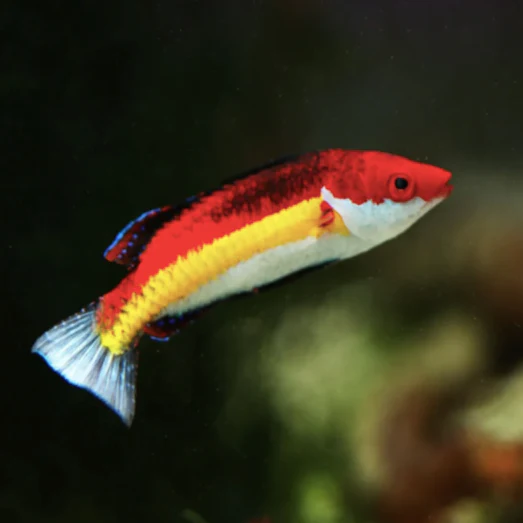
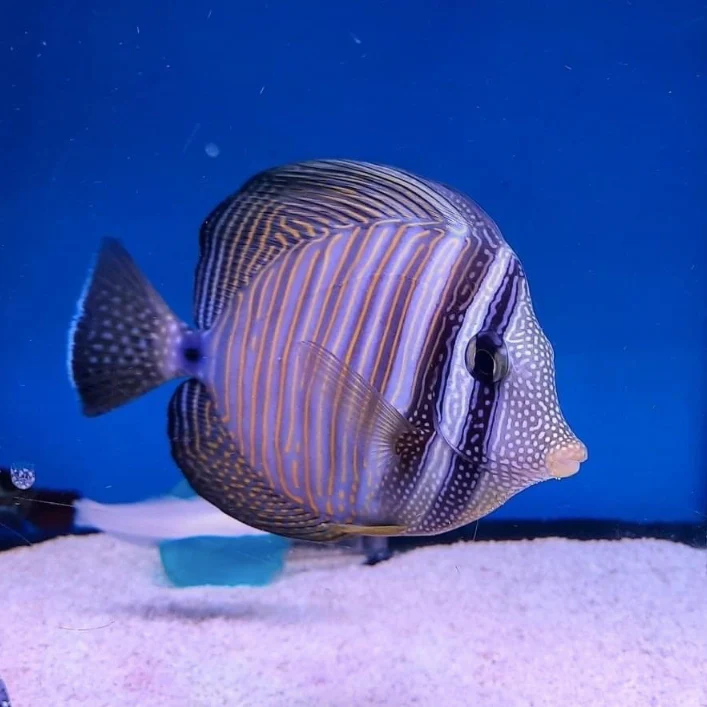
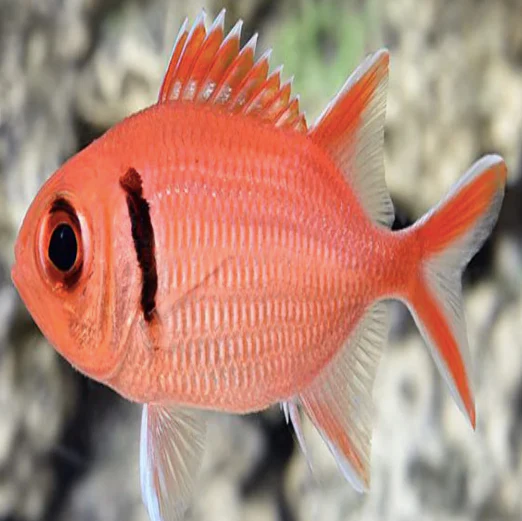
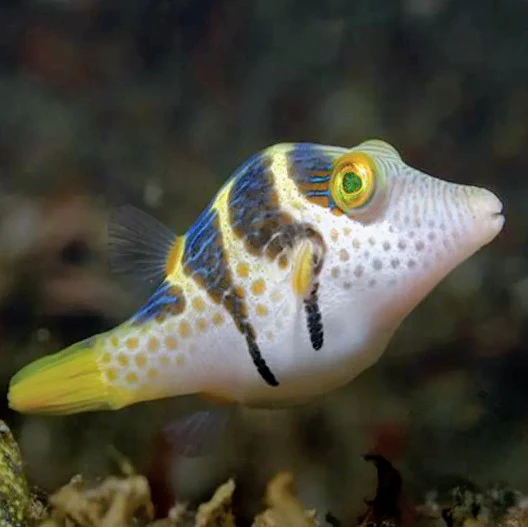
All images are a visual representation of the fish you will receive, made to be as accurate as possible. Please note that Mother Nature is a wonderful thing, and variation in patterns and colours will occur — that is part of the unique beauty of these animals.
Product Information
Product Information
Shipping & Returns
Shipping & Returns
Regal Tang - Paracanthurus hepatus
Regal Tang - Paracanthurus hepatus
Regal Tang (Paracanthurus hepatus)
The Regal Tang is one of the most recognisable marine fish in the hobby, admired for its vivid blue body, bold black patterning and bright yellow tail. In the wild it inhabits clear, current-swept seaward reefs, where it is often seen in loose groups above the reef, with juveniles sheltering among branching corals when alarmed. In the aquarium it is an active, open-water swimmer that needs a large, mature system with excellent water quality, plenty of grazing opportunity and calm tankmates.
Common Name:
Regal Tang. It is also commonly known as the Palette Surgeonfish, Blue Tang or Hippo Tang.
Scientific Name (Latin):
Paracanthurus hepatus
Maximum Size:
Up to 31 cm in length.
Water Type:
Marine.
Origin / Natural Habitat:
Found across the Indo-Pacific, from East Africa and the Mascarene Islands east to Kiribati, north to southern Japan, and south to the southern Great Barrier Reef, New Caledonia and Samoa. It is a reef-associated species typically found from around 2–40 metres depth.
Water Parameters:
Temperature: 24–26°C
pH Range: 7.9–8.3
Salinity: 1.020–1.025 SG
Temperament:
Generally peaceful, but it may become territorial towards other tangs or surgeonfish, especially in smaller aquaria or where swimming space is limited. Adults usually do best with peaceful tankmates and plenty of room.
Diet:
Omnivorous, feeding naturally on zooplankton and some algae. In captivity it should be offered a varied diet of small meaty marine foods alongside marine algae, nori and spirulina-based foods. Regular feeding is important for long-term health and condition.
Minimum Tank Size:
700 litres minimum is a sensible long-term baseline, with larger aquaria strongly preferred for adult fish due to their size and constant swimming behaviour. Juveniles can start smaller, but large adults need very spacious systems.
Behaviour & Activity:
A highly active, diurnal swimmer that spends much of the day cruising open water and grazing around rockwork. Juveniles and subadults often use branching corals as shelter, while adults require plenty of open swimming lanes and hiding places within the aquascape.
Reef Safe:
Reef Safe
This species is generally suitable for reef aquaria and is unlikely to bother most corals or invertebrates when feeding well, but caution is still sensible. Larger or underfed specimens may occasionally pick at some fleshy corals or other sessile invertebrates, so monitor behaviour closely and keep feeding consistent.
Special Requirements or Care Notes:
Best kept in a well-established marine aquarium with excellent circulation, strong oxygenation, abundant swimming room and plenty of live rock for grazing and refuge. This species is also prone to marine whitespot/ich when stressed, can be delicate during transport and acclimation, and should be handled carefully because of the sharp caudal spines near the tail.
Suitable for:
Experienced fishkeepers
Although very popular, this species is not recommended for beginners because of its eventual size, susceptibility to stress-related disease and need for a large, mature setup.
Availability:
Regular in trade.
All images are a visual representation of the fish you will receive, made to be as accurate as possible. Please note that Mother Nature is a wonderful thing, and variation in patterns and colours will occur — that is part of the unique beauty of these animals.
Original: $54.22
-65%$54.22
$18.98Product Information
Product Information
Shipping & Returns
Shipping & Returns
Description
Regal Tang (Paracanthurus hepatus)
The Regal Tang is one of the most recognisable marine fish in the hobby, admired for its vivid blue body, bold black patterning and bright yellow tail. In the wild it inhabits clear, current-swept seaward reefs, where it is often seen in loose groups above the reef, with juveniles sheltering among branching corals when alarmed. In the aquarium it is an active, open-water swimmer that needs a large, mature system with excellent water quality, plenty of grazing opportunity and calm tankmates.
Common Name:
Regal Tang. It is also commonly known as the Palette Surgeonfish, Blue Tang or Hippo Tang.
Scientific Name (Latin):
Paracanthurus hepatus
Maximum Size:
Up to 31 cm in length.
Water Type:
Marine.
Origin / Natural Habitat:
Found across the Indo-Pacific, from East Africa and the Mascarene Islands east to Kiribati, north to southern Japan, and south to the southern Great Barrier Reef, New Caledonia and Samoa. It is a reef-associated species typically found from around 2–40 metres depth.
Water Parameters:
Temperature: 24–26°C
pH Range: 7.9–8.3
Salinity: 1.020–1.025 SG
Temperament:
Generally peaceful, but it may become territorial towards other tangs or surgeonfish, especially in smaller aquaria or where swimming space is limited. Adults usually do best with peaceful tankmates and plenty of room.
Diet:
Omnivorous, feeding naturally on zooplankton and some algae. In captivity it should be offered a varied diet of small meaty marine foods alongside marine algae, nori and spirulina-based foods. Regular feeding is important for long-term health and condition.
Minimum Tank Size:
700 litres minimum is a sensible long-term baseline, with larger aquaria strongly preferred for adult fish due to their size and constant swimming behaviour. Juveniles can start smaller, but large adults need very spacious systems.
Behaviour & Activity:
A highly active, diurnal swimmer that spends much of the day cruising open water and grazing around rockwork. Juveniles and subadults often use branching corals as shelter, while adults require plenty of open swimming lanes and hiding places within the aquascape.
Reef Safe:
Reef Safe
This species is generally suitable for reef aquaria and is unlikely to bother most corals or invertebrates when feeding well, but caution is still sensible. Larger or underfed specimens may occasionally pick at some fleshy corals or other sessile invertebrates, so monitor behaviour closely and keep feeding consistent.
Special Requirements or Care Notes:
Best kept in a well-established marine aquarium with excellent circulation, strong oxygenation, abundant swimming room and plenty of live rock for grazing and refuge. This species is also prone to marine whitespot/ich when stressed, can be delicate during transport and acclimation, and should be handled carefully because of the sharp caudal spines near the tail.
Suitable for:
Experienced fishkeepers
Although very popular, this species is not recommended for beginners because of its eventual size, susceptibility to stress-related disease and need for a large, mature setup.
Availability:
Regular in trade.
All images are a visual representation of the fish you will receive, made to be as accurate as possible. Please note that Mother Nature is a wonderful thing, and variation in patterns and colours will occur — that is part of the unique beauty of these animals.