Australian Wideband Clownfish - Amphiprion latezonatus
Australian Wideband Clownfish (Amphiprion latezonatus)
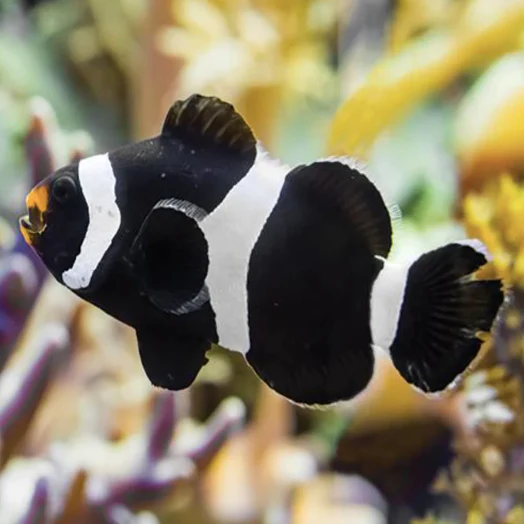
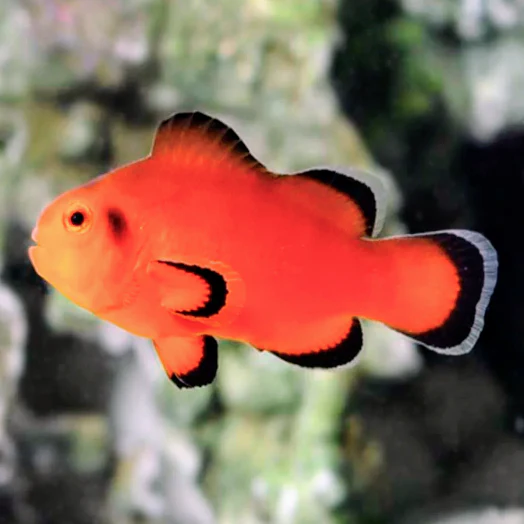
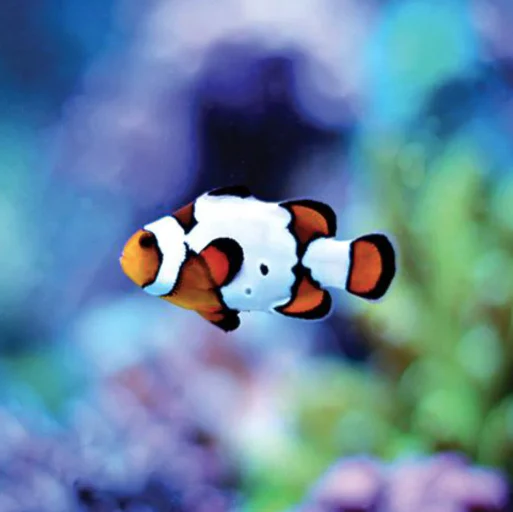
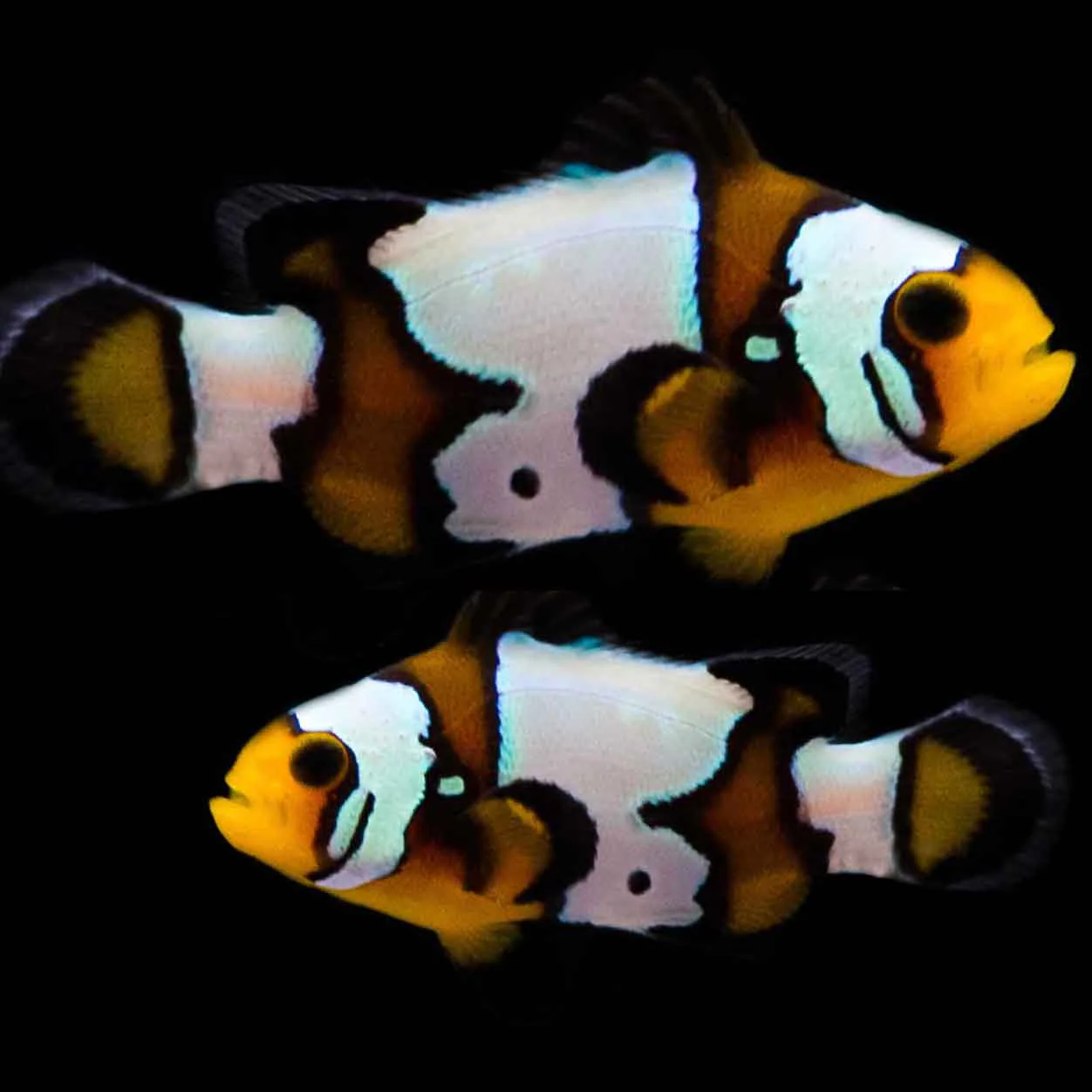
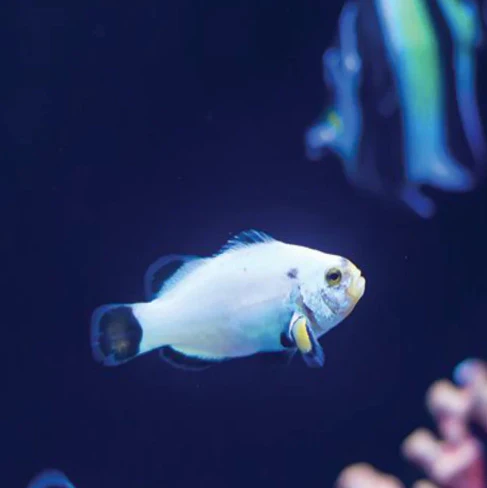
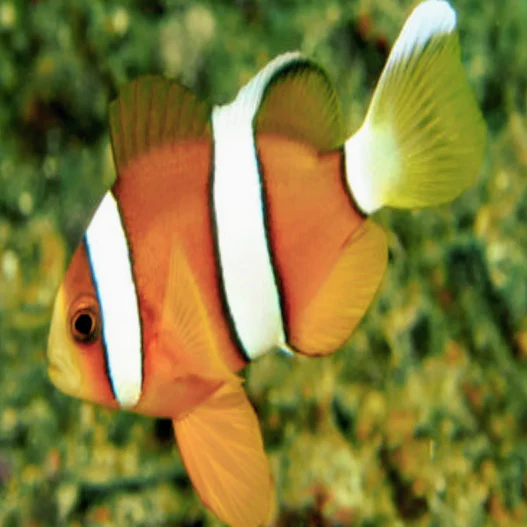
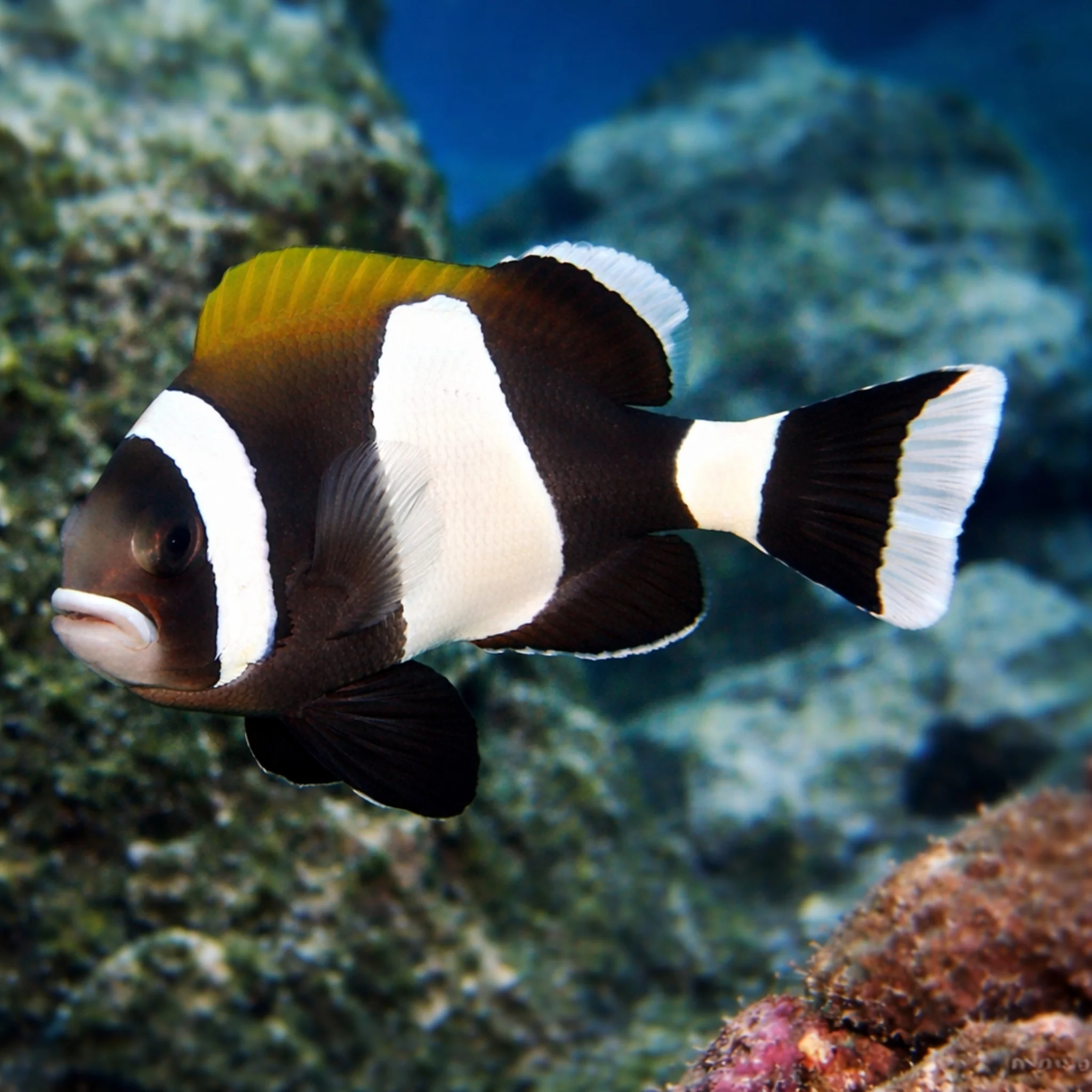
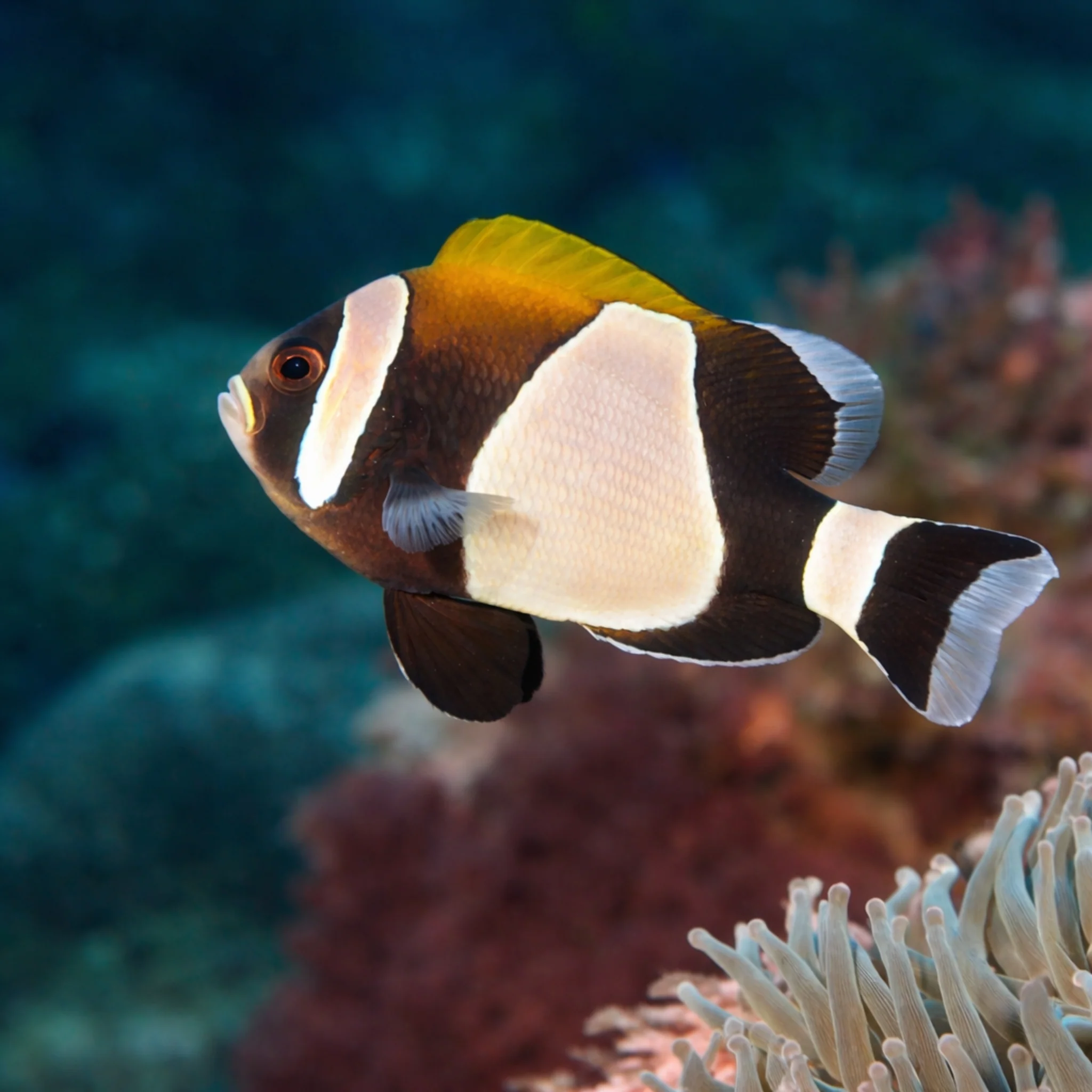
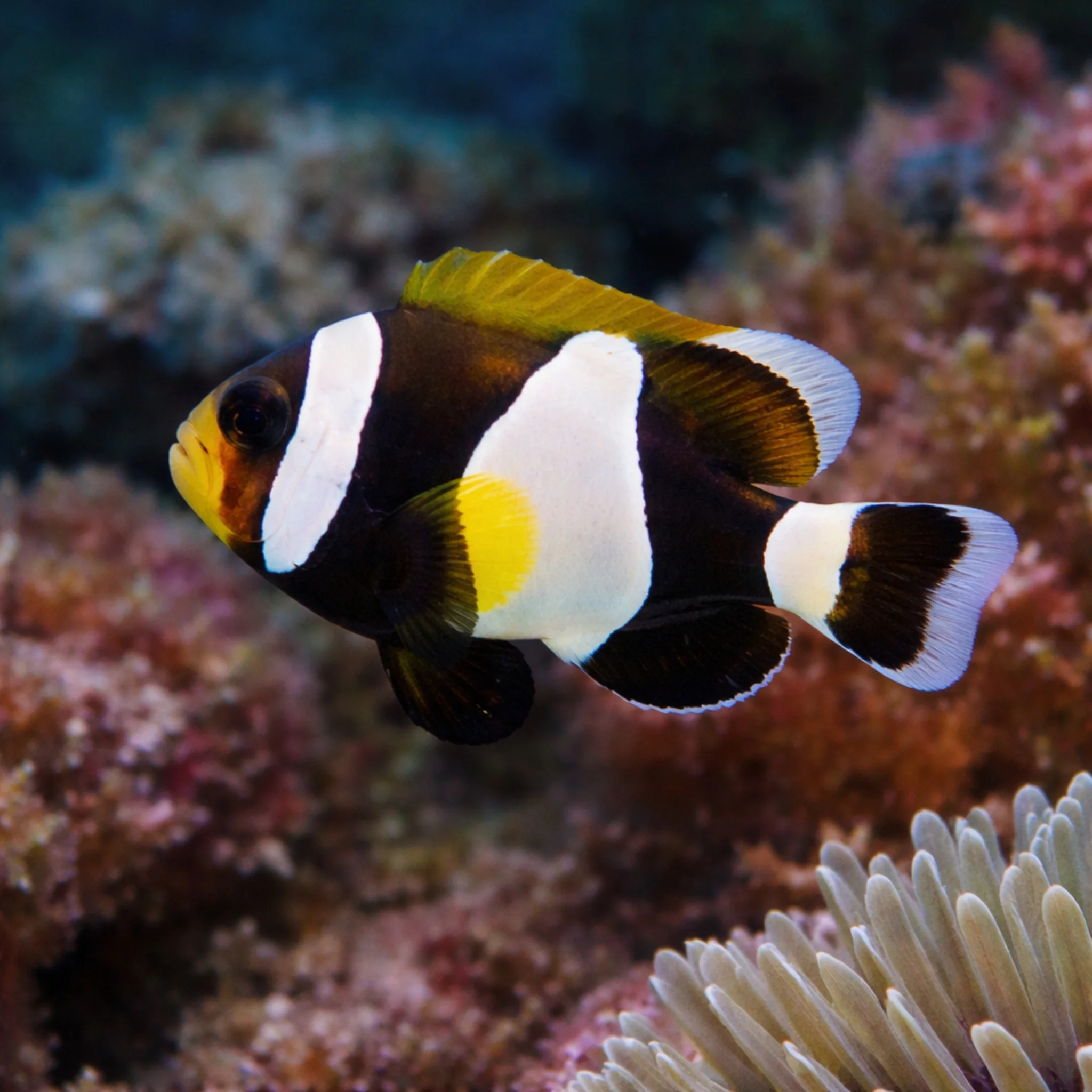
The Australian Wideband Clownfish, also widely known as the Latezonatus Clownfish, is a striking and sought-after anemonefish recognised for its dark brown body, broad white mid-body band and distinctive blue lips. Native to the subtropical east coast of Australia and nearby reefs, it is naturally associated with offshore rocky and coral reefs and is more specialised than many of the more common clownfish species kept in home aquaria. Because of its cooler-water preference, relative rarity and more specialist care needs, it is best suited to a mature marine system run by keepers with some prior marine experience.
Common Name:
Australian Wideband Clownfish. It is also commonly known as the Latezonatus Clownfish or Wide-band Anemonefish.
Scientific Name (Latin):
Amphiprion latezonatus
Maximum Size:
Up to 14 cm in length.
Water Type:
Marine.
Origin / Natural Habitat:
Found in subtropical waters off eastern Australia, including southern Queensland, northern New South Wales, Norfolk Island and Lord Howe Island. Adults inhabit rocky and coral reefs, particularly offshore reef habitats, and are closely associated with host anemones.
Water Parameters:
Temperature: 22–26°C
pH Range: 8.1–8.4
Salinity: 1.020–1.025 SG
Temperament:
Generally peaceful to semi-aggressive. Like other clownfish, it can become territorial once established, especially around its chosen shelter or host area, and is best kept as a single specimen or established pair rather than mixed casually with other clownfish.
Diet:
Omnivorous. Offer a varied diet of small meaty marine foods, quality marine pellets or flakes, and some algae-based foods. Captive care references class it as an omnivore and note that it does best with regular, varied feeding.
Minimum Tank Size:
A practical long-term recommendation is 190 litres or more, especially for an adult specimen or pair. While some hobby references list smaller systems, a more spacious, stable aquarium is the safer choice for this species.
Behaviour & Activity:
This species usually stays close to its chosen territory and host area rather than roaming widely. It forms distinct pairs during breeding, lays demersal eggs attached to the substrate, and the male guards and aerates the eggs.
Reef Safe:
Reef Safe
This species is generally regarded as suitable for reef aquaria and is not known for damaging corals or ornamental invertebrates in normal captive conditions.
Special Requirements or Care Notes:
A well-established aquarium with stable water quality is important. This species is naturally associated with Heteractis crispa and has a relatively specialised natural ecology compared with more common clownfish. A host anemone is not essential in captivity, but calm surroundings, consistent parameters and careful acclimation will improve long-term success.
Suitable for:
Intermediate to Experienced fishkeepers. Hobby references commonly describe it as moderate to advanced in care level, reflecting its rarity and more specialist husbandry compared with standard beginner clownfish.
Availability:
Rare in trade. Multiple aquarium references describe this species as uncommon or rare in the hobby.
Product Information
Product Information
Shipping & Returns
Shipping & Returns
Australian Wideband Clownfish - Amphiprion latezonatus
Australian Wideband Clownfish - Amphiprion latezonatus
Australian Wideband Clownfish (Amphiprion latezonatus)
The Australian Wideband Clownfish, also widely known as the Latezonatus Clownfish, is a striking and sought-after anemonefish recognised for its dark brown body, broad white mid-body band and distinctive blue lips. Native to the subtropical east coast of Australia and nearby reefs, it is naturally associated with offshore rocky and coral reefs and is more specialised than many of the more common clownfish species kept in home aquaria. Because of its cooler-water preference, relative rarity and more specialist care needs, it is best suited to a mature marine system run by keepers with some prior marine experience.
Common Name:
Australian Wideband Clownfish. It is also commonly known as the Latezonatus Clownfish or Wide-band Anemonefish.
Scientific Name (Latin):
Amphiprion latezonatus
Maximum Size:
Up to 14 cm in length.
Water Type:
Marine.
Origin / Natural Habitat:
Found in subtropical waters off eastern Australia, including southern Queensland, northern New South Wales, Norfolk Island and Lord Howe Island. Adults inhabit rocky and coral reefs, particularly offshore reef habitats, and are closely associated with host anemones.
Water Parameters:
Temperature: 22–26°C
pH Range: 8.1–8.4
Salinity: 1.020–1.025 SG
Temperament:
Generally peaceful to semi-aggressive. Like other clownfish, it can become territorial once established, especially around its chosen shelter or host area, and is best kept as a single specimen or established pair rather than mixed casually with other clownfish.
Diet:
Omnivorous. Offer a varied diet of small meaty marine foods, quality marine pellets or flakes, and some algae-based foods. Captive care references class it as an omnivore and note that it does best with regular, varied feeding.
Minimum Tank Size:
A practical long-term recommendation is 190 litres or more, especially for an adult specimen or pair. While some hobby references list smaller systems, a more spacious, stable aquarium is the safer choice for this species.
Behaviour & Activity:
This species usually stays close to its chosen territory and host area rather than roaming widely. It forms distinct pairs during breeding, lays demersal eggs attached to the substrate, and the male guards and aerates the eggs.
Reef Safe:
Reef Safe
This species is generally regarded as suitable for reef aquaria and is not known for damaging corals or ornamental invertebrates in normal captive conditions.
Special Requirements or Care Notes:
A well-established aquarium with stable water quality is important. This species is naturally associated with Heteractis crispa and has a relatively specialised natural ecology compared with more common clownfish. A host anemone is not essential in captivity, but calm surroundings, consistent parameters and careful acclimation will improve long-term success.
Suitable for:
Intermediate to Experienced fishkeepers. Hobby references commonly describe it as moderate to advanced in care level, reflecting its rarity and more specialist husbandry compared with standard beginner clownfish.
Availability:
Rare in trade. Multiple aquarium references describe this species as uncommon or rare in the hobby.
Product Information
Product Information
Shipping & Returns
Shipping & Returns
Description
Australian Wideband Clownfish (Amphiprion latezonatus)
The Australian Wideband Clownfish, also widely known as the Latezonatus Clownfish, is a striking and sought-after anemonefish recognised for its dark brown body, broad white mid-body band and distinctive blue lips. Native to the subtropical east coast of Australia and nearby reefs, it is naturally associated with offshore rocky and coral reefs and is more specialised than many of the more common clownfish species kept in home aquaria. Because of its cooler-water preference, relative rarity and more specialist care needs, it is best suited to a mature marine system run by keepers with some prior marine experience.
Common Name:
Australian Wideband Clownfish. It is also commonly known as the Latezonatus Clownfish or Wide-band Anemonefish.
Scientific Name (Latin):
Amphiprion latezonatus
Maximum Size:
Up to 14 cm in length.
Water Type:
Marine.
Origin / Natural Habitat:
Found in subtropical waters off eastern Australia, including southern Queensland, northern New South Wales, Norfolk Island and Lord Howe Island. Adults inhabit rocky and coral reefs, particularly offshore reef habitats, and are closely associated with host anemones.
Water Parameters:
Temperature: 22–26°C
pH Range: 8.1–8.4
Salinity: 1.020–1.025 SG
Temperament:
Generally peaceful to semi-aggressive. Like other clownfish, it can become territorial once established, especially around its chosen shelter or host area, and is best kept as a single specimen or established pair rather than mixed casually with other clownfish.
Diet:
Omnivorous. Offer a varied diet of small meaty marine foods, quality marine pellets or flakes, and some algae-based foods. Captive care references class it as an omnivore and note that it does best with regular, varied feeding.
Minimum Tank Size:
A practical long-term recommendation is 190 litres or more, especially for an adult specimen or pair. While some hobby references list smaller systems, a more spacious, stable aquarium is the safer choice for this species.
Behaviour & Activity:
This species usually stays close to its chosen territory and host area rather than roaming widely. It forms distinct pairs during breeding, lays demersal eggs attached to the substrate, and the male guards and aerates the eggs.
Reef Safe:
Reef Safe
This species is generally regarded as suitable for reef aquaria and is not known for damaging corals or ornamental invertebrates in normal captive conditions.
Special Requirements or Care Notes:
A well-established aquarium with stable water quality is important. This species is naturally associated with Heteractis crispa and has a relatively specialised natural ecology compared with more common clownfish. A host anemone is not essential in captivity, but calm surroundings, consistent parameters and careful acclimation will improve long-term success.
Suitable for:
Intermediate to Experienced fishkeepers. Hobby references commonly describe it as moderate to advanced in care level, reflecting its rarity and more specialist husbandry compared with standard beginner clownfish.
Availability:
Rare in trade. Multiple aquarium references describe this species as uncommon or rare in the hobby.