Engineer Goby - Pholidichthys leucotaenia
Engineer Goby (Pholidichthys leucotaenia)
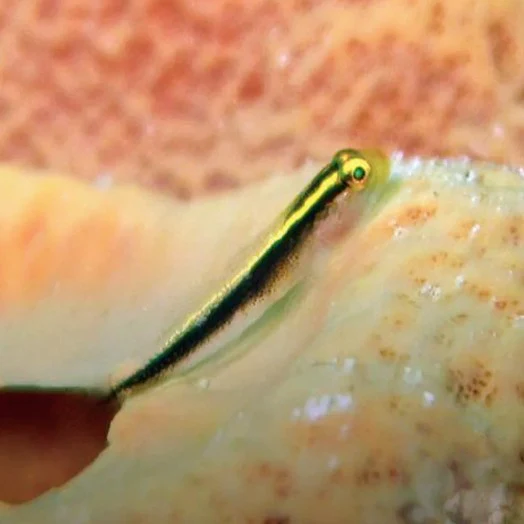
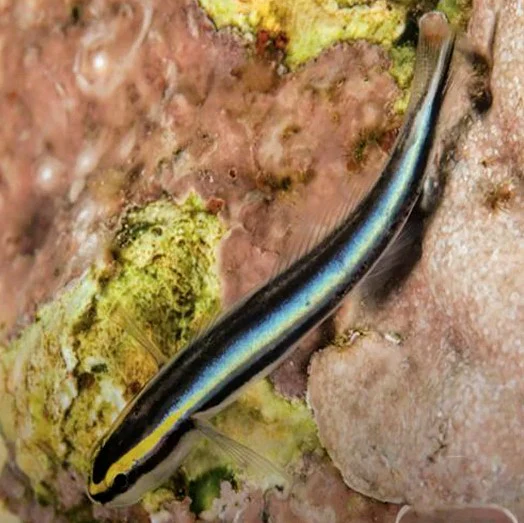
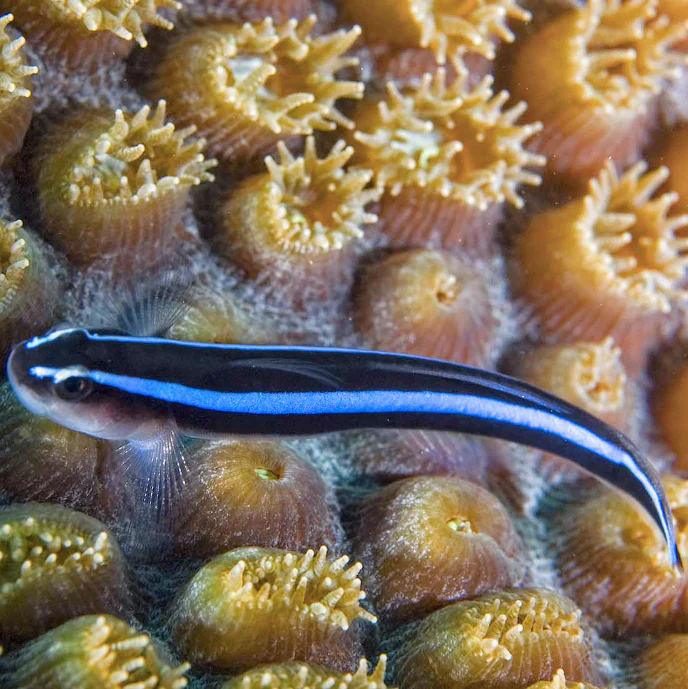
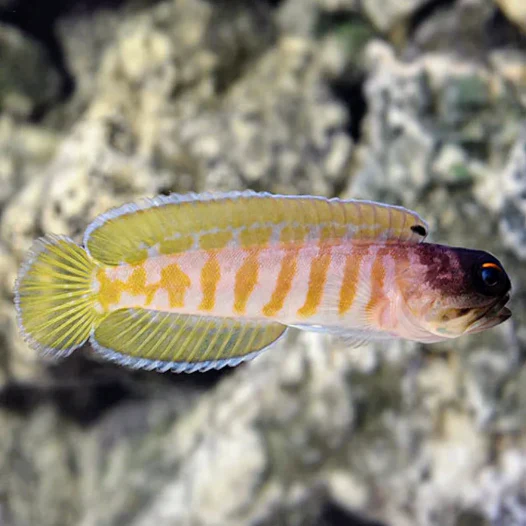
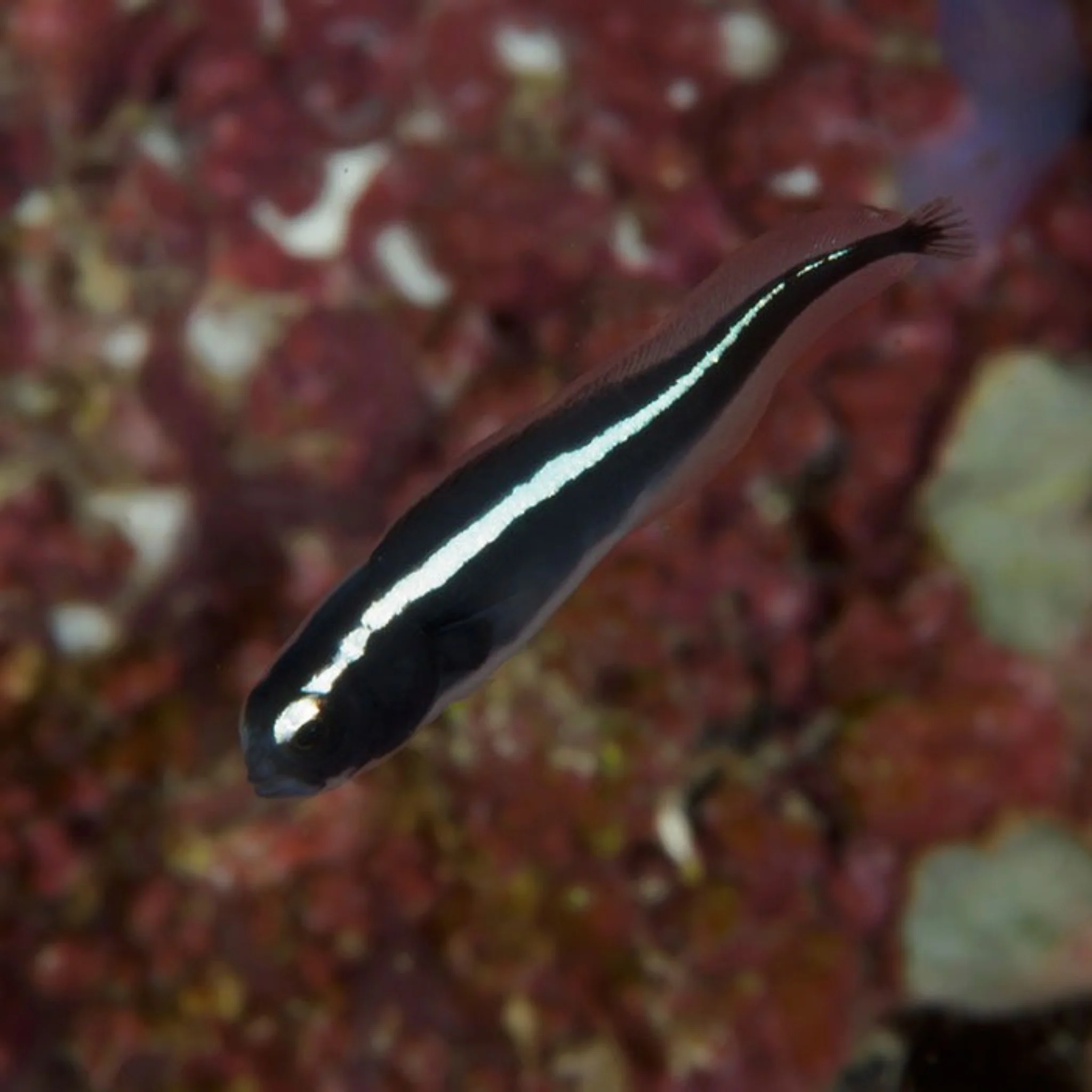
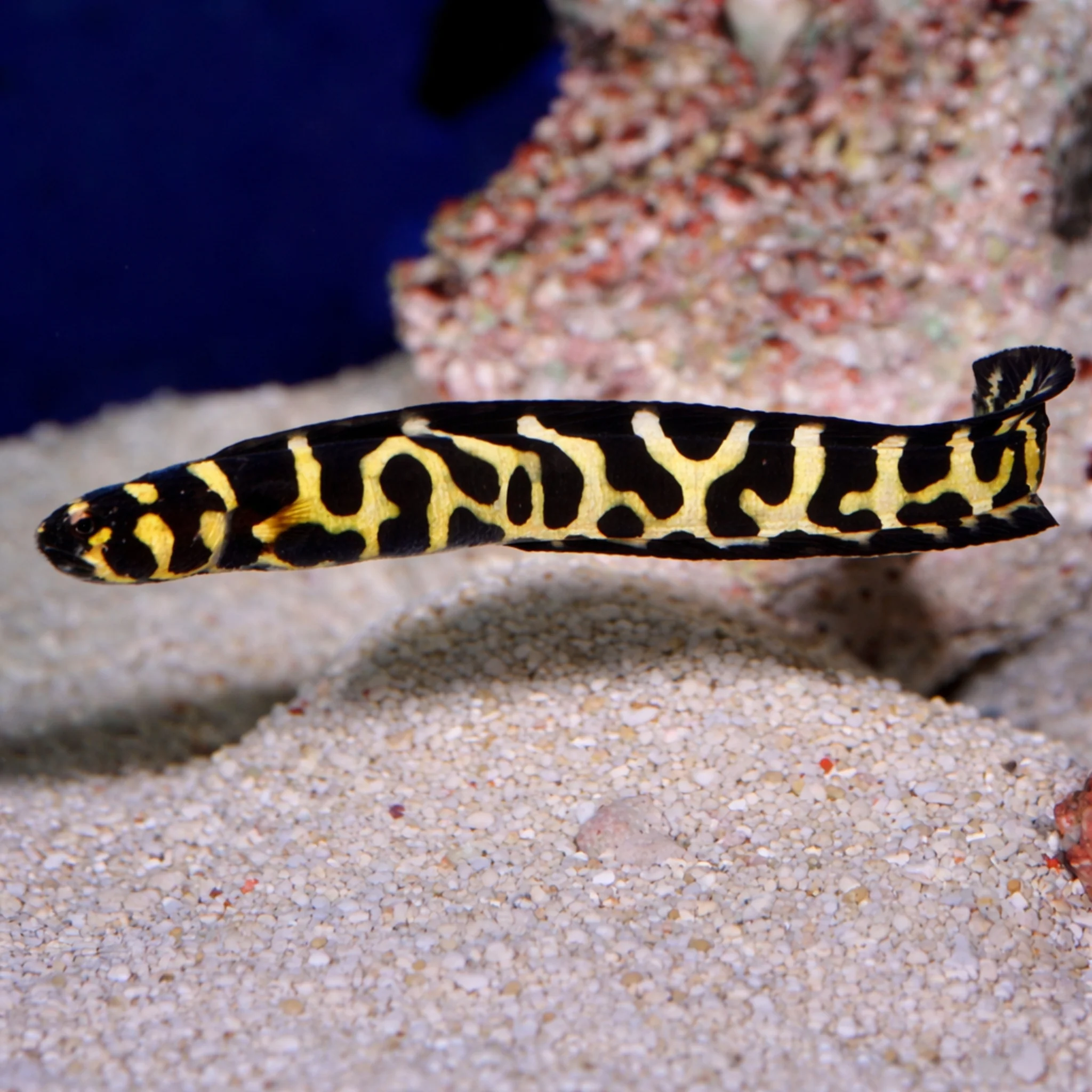
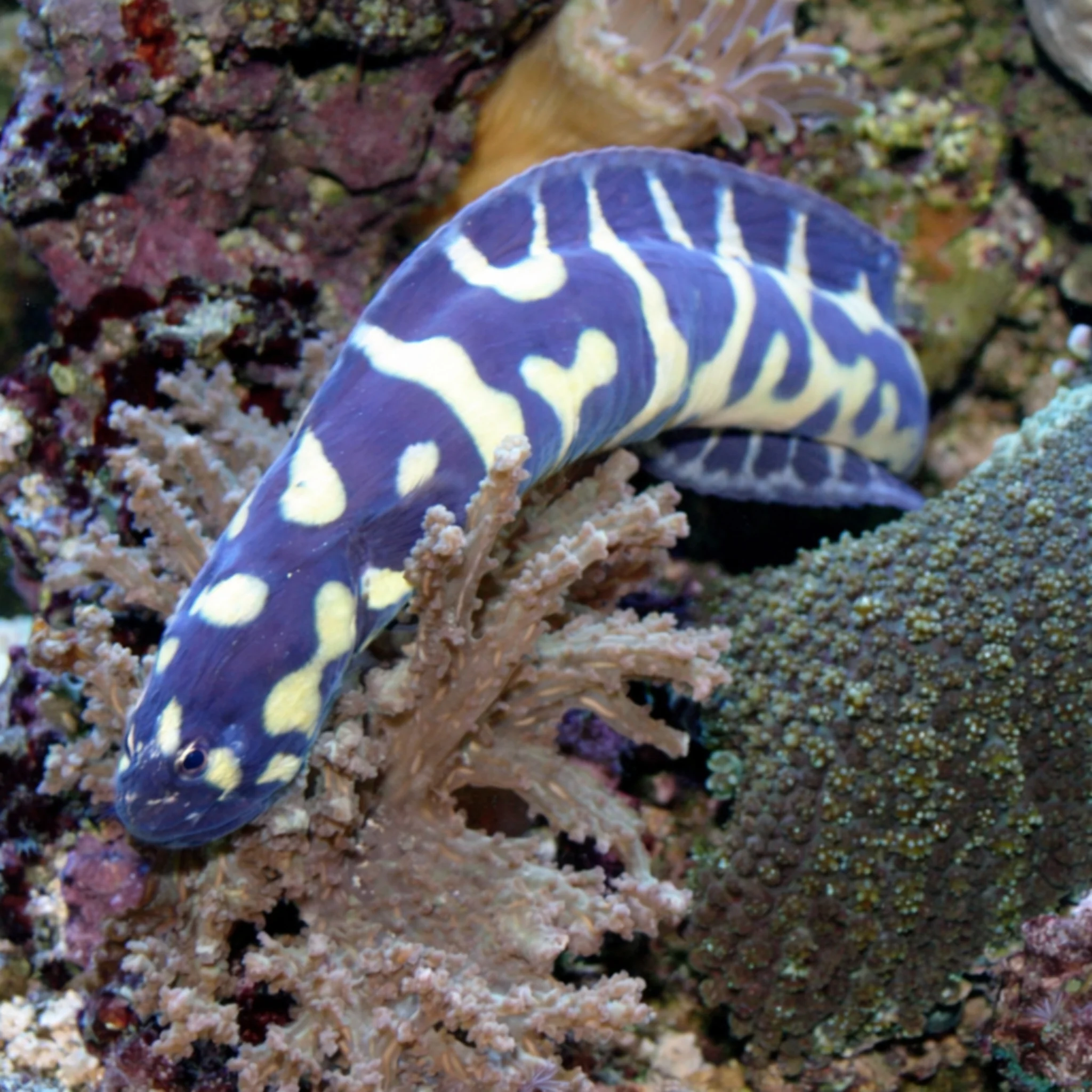
The Engineer Goby is a fascinating eel-shaped marine fish known for its dramatic change in appearance as it matures. Juveniles are black with a bright white stripe and closely resemble striped catfish, while adults develop a barred or spotted pattern and become far more secretive. In the wild it inhabits shallow lagoons and coastal reefs in the west-central Pacific, where juveniles may form tight schools under ledges or around coral heads. In the aquarium, it is prized for its unusual behaviour and burrowing habits, but it needs a mature setup with secure rockwork and plenty of substrate.
Common Name:
Engineer Goby. It is also commonly known as the Convict Blenny or Convict Goby, although it is not a true goby or blenny.
Scientific Name (Latin):
Pholidichthys leucotaenia
Maximum Size:
Up to 34 cm in length.
Water Type:
Marine.
Origin / Natural Habitat:
Found in the west-central Pacific, including the Philippines to the Solomon Islands, where it lives in shallow lagoon and coastal reef habitats, often around coral heads, rubble areas and ledges.
Water Parameters:
Temperature: 24–26°C
pH Range: 8.1–8.4
Salinity: 1.020–1.025 SG
Temperament:
Generally peaceful, though it may become territorial towards very similar bottom-dwelling fish in tighter quarters. It is usually best kept with calm tankmates that will not bully it or outcompete it for food.
Diet:
Carnivorous. In the wild, juveniles feed on plankton, while larger fish take crustaceans and small fish. In captivity, offer a varied diet of mysis, brineshrimp and other meaty marine foods.
Minimum Tank Size:
200 litres minimum is a sensible long-term recommendation, with more space preferred for adults or groups.
Behaviour & Activity:
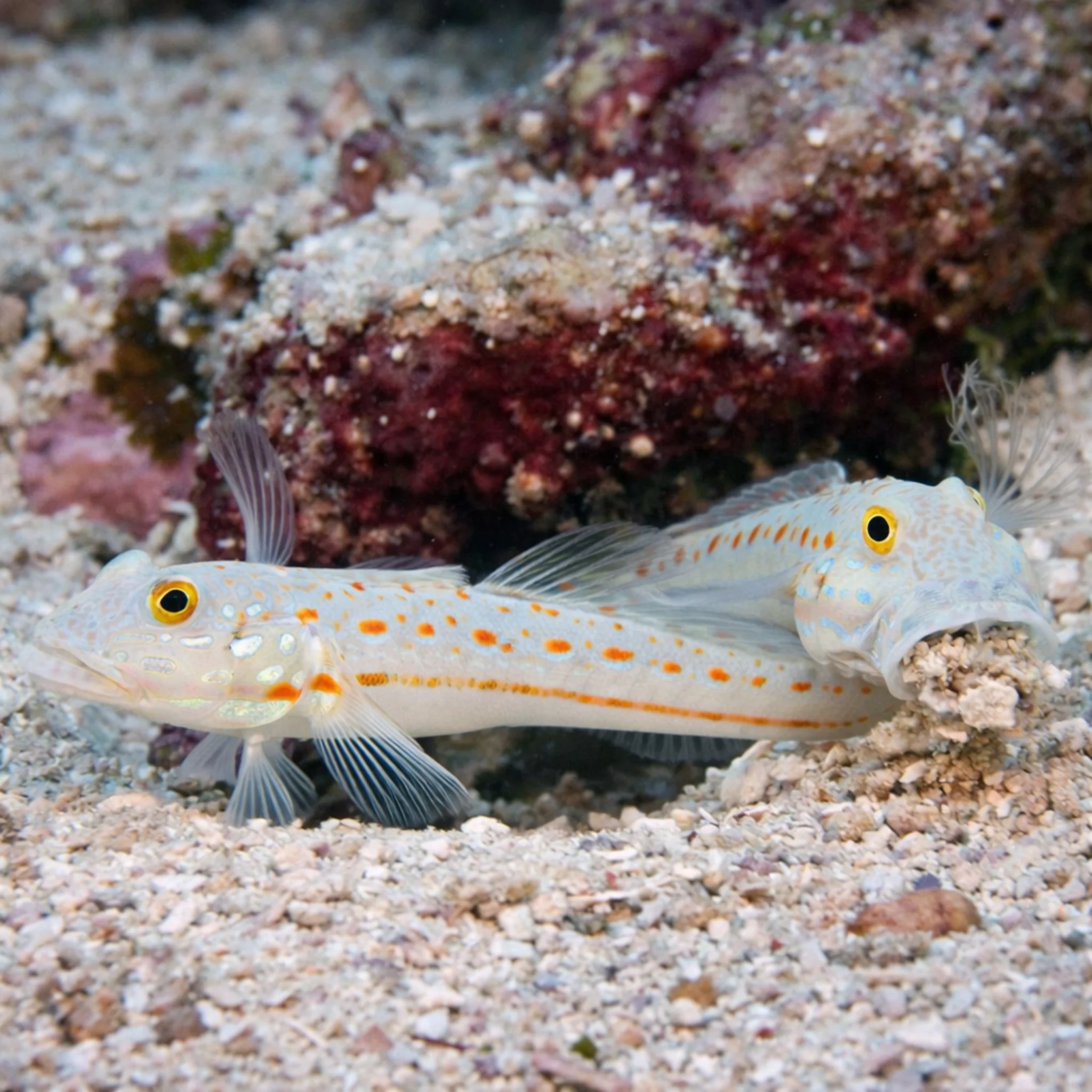
This species is best known for its burrowing and tunnelling behaviour. Juveniles may school in the open, but adults become much more secretive and spend a lot of time around burrows and reef structure. In aquaria, they can move a surprising amount of substrate and may undermine unsecured rockwork.
Reef Safe:
Reef Safe
It is generally considered safe with corals, but caution is needed because its burrowing behaviour can shift sand, destabilise rockwork and disturb corals placed low in the aquarium. Monitor carefully in reef systems and make sure all rock structures are fully secured before introduction.
Special Requirements or Care Notes:
This species does best in a well-established marine aquarium with a deep sand bed, plenty of hiding places and secure rockwork. A tight-fitting lid is also recommended, as it can jump. Groups or pairs often do best when introduced together rather than one at a time.
Suitable for:
Intermediate fishkeepers. It is usually hardy once settled, but its burrowing, adult size and need for careful aquascaping make it less ideal for beginners. This is an inference based on aquarium care guidance.
Availability:
Occasional in trade.
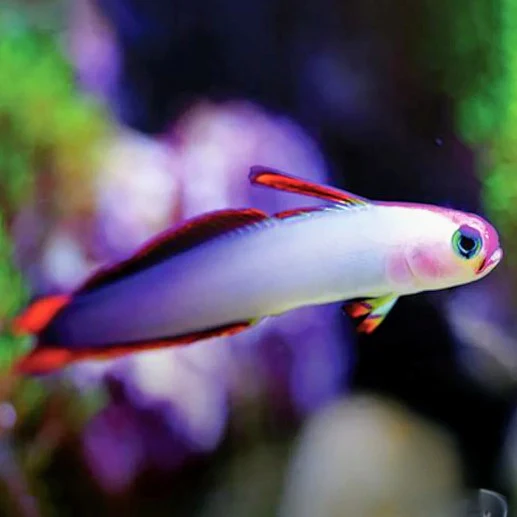
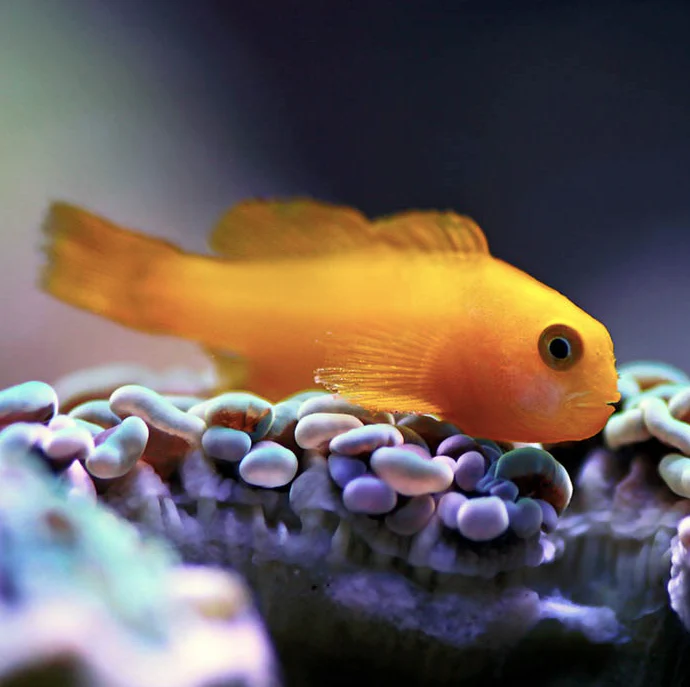
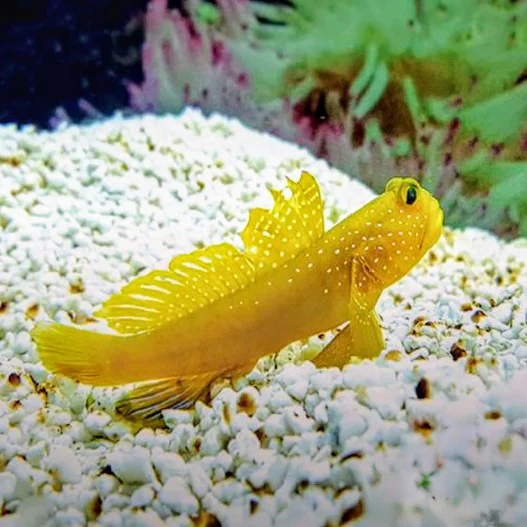
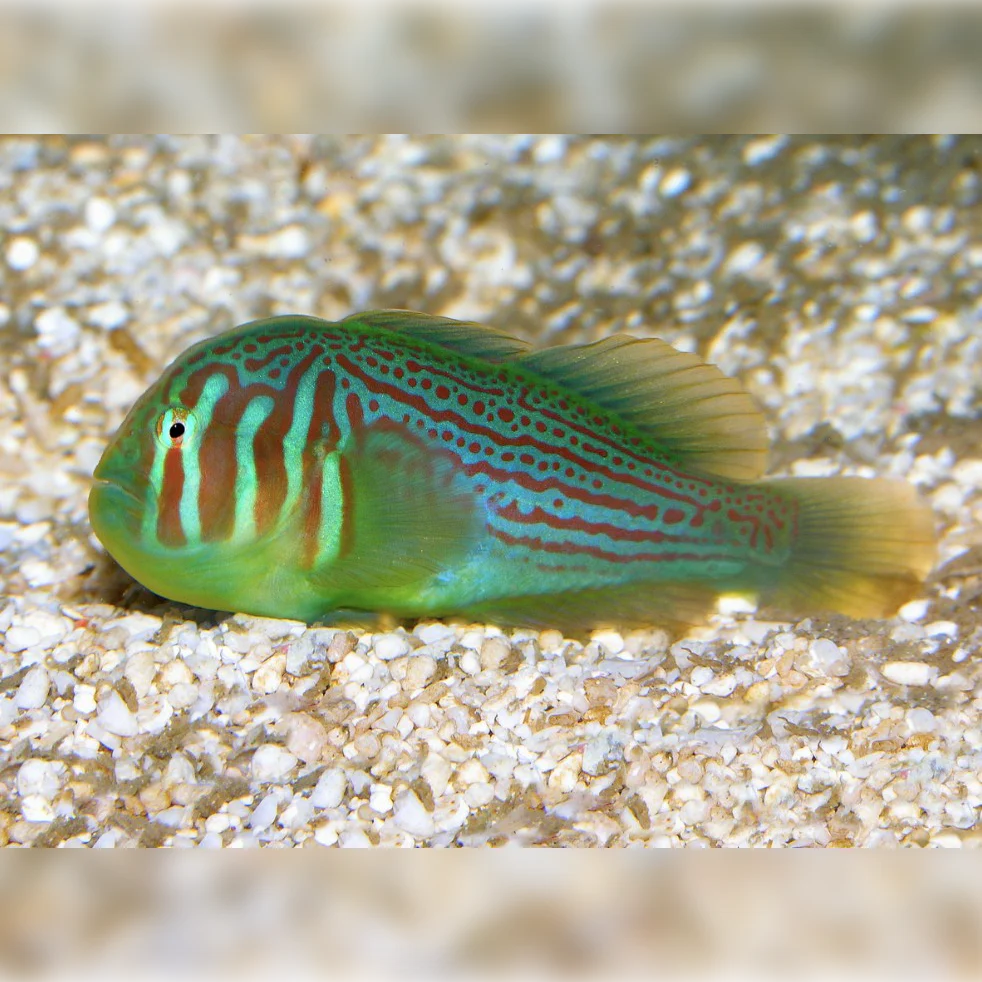
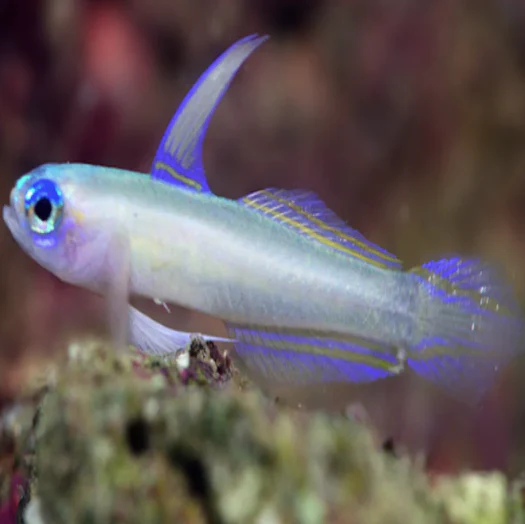
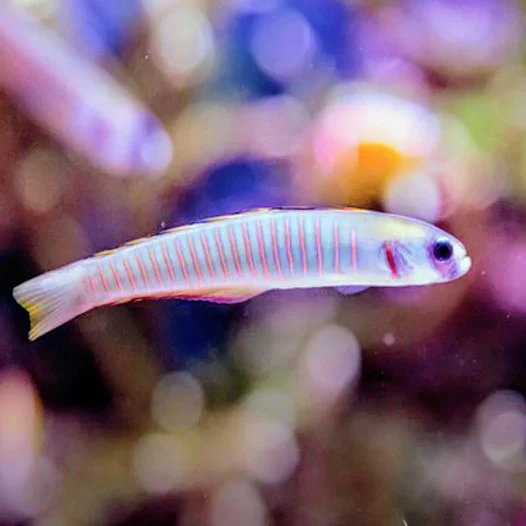
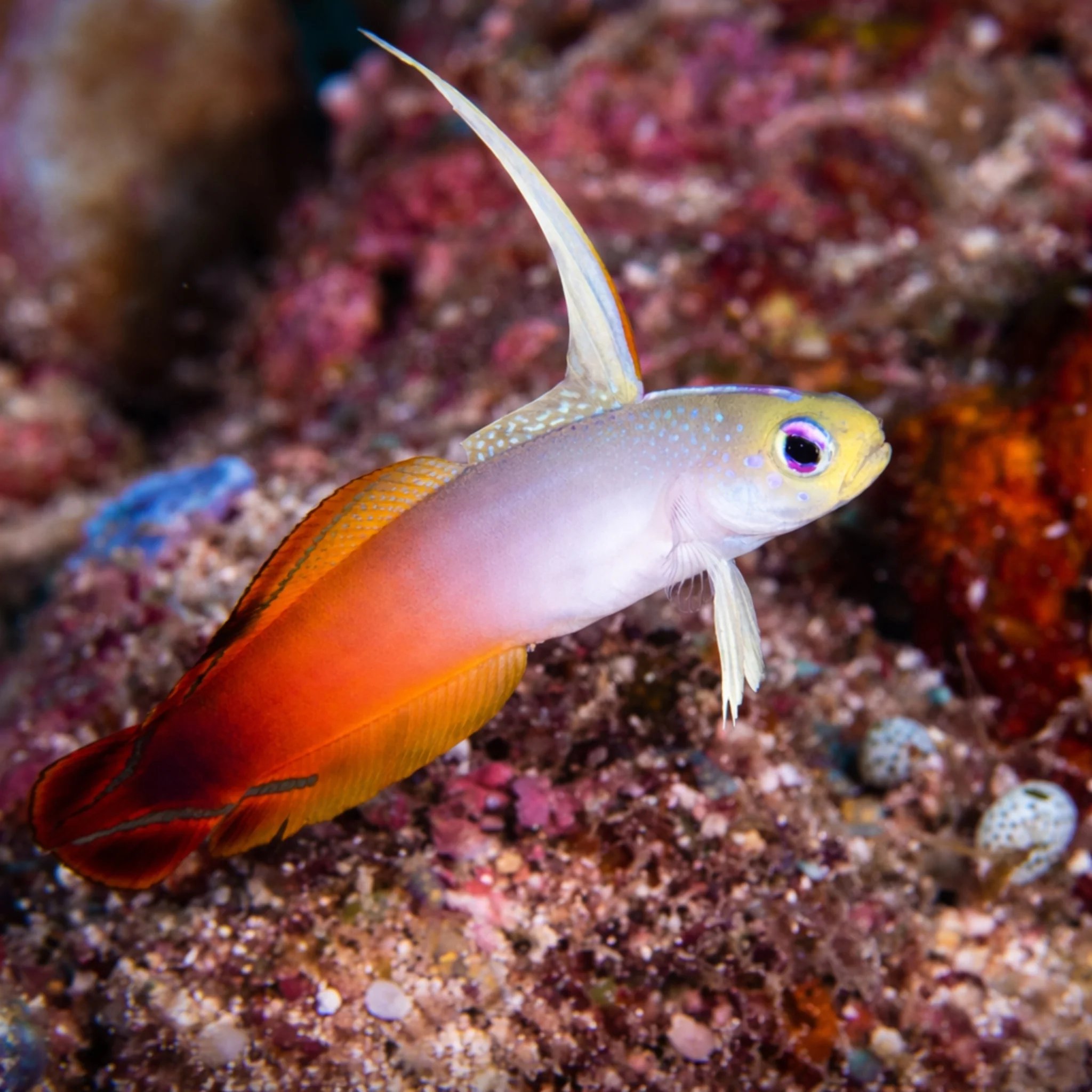
All images are a visual representation of the fish you will receive, made to be as accurate as possible. Please note that Mother Nature is a wonderful thing, and variation in patterns and colours will occur — that is part of the unique beauty of these animals.
Product Information
Product Information
Shipping & Returns
Shipping & Returns
Engineer Goby - Pholidichthys leucotaenia
Engineer Goby - Pholidichthys leucotaenia
Engineer Goby (Pholidichthys leucotaenia)
The Engineer Goby is a fascinating eel-shaped marine fish known for its dramatic change in appearance as it matures. Juveniles are black with a bright white stripe and closely resemble striped catfish, while adults develop a barred or spotted pattern and become far more secretive. In the wild it inhabits shallow lagoons and coastal reefs in the west-central Pacific, where juveniles may form tight schools under ledges or around coral heads. In the aquarium, it is prized for its unusual behaviour and burrowing habits, but it needs a mature setup with secure rockwork and plenty of substrate.
Common Name:
Engineer Goby. It is also commonly known as the Convict Blenny or Convict Goby, although it is not a true goby or blenny.
Scientific Name (Latin):
Pholidichthys leucotaenia
Maximum Size:
Up to 34 cm in length.
Water Type:
Marine.
Origin / Natural Habitat:
Found in the west-central Pacific, including the Philippines to the Solomon Islands, where it lives in shallow lagoon and coastal reef habitats, often around coral heads, rubble areas and ledges.
Water Parameters:
Temperature: 24–26°C
pH Range: 8.1–8.4
Salinity: 1.020–1.025 SG
Temperament:
Generally peaceful, though it may become territorial towards very similar bottom-dwelling fish in tighter quarters. It is usually best kept with calm tankmates that will not bully it or outcompete it for food.
Diet:
Carnivorous. In the wild, juveniles feed on plankton, while larger fish take crustaceans and small fish. In captivity, offer a varied diet of mysis, brineshrimp and other meaty marine foods.
Minimum Tank Size:
200 litres minimum is a sensible long-term recommendation, with more space preferred for adults or groups.
Behaviour & Activity:
This species is best known for its burrowing and tunnelling behaviour. Juveniles may school in the open, but adults become much more secretive and spend a lot of time around burrows and reef structure. In aquaria, they can move a surprising amount of substrate and may undermine unsecured rockwork.
Reef Safe:
Reef Safe
It is generally considered safe with corals, but caution is needed because its burrowing behaviour can shift sand, destabilise rockwork and disturb corals placed low in the aquarium. Monitor carefully in reef systems and make sure all rock structures are fully secured before introduction.
Special Requirements or Care Notes:
This species does best in a well-established marine aquarium with a deep sand bed, plenty of hiding places and secure rockwork. A tight-fitting lid is also recommended, as it can jump. Groups or pairs often do best when introduced together rather than one at a time.
Suitable for:
Intermediate fishkeepers. It is usually hardy once settled, but its burrowing, adult size and need for careful aquascaping make it less ideal for beginners. This is an inference based on aquarium care guidance.
Availability:
Occasional in trade.
All images are a visual representation of the fish you will receive, made to be as accurate as possible. Please note that Mother Nature is a wonderful thing, and variation in patterns and colours will occur — that is part of the unique beauty of these animals.
Product Information
Product Information
Shipping & Returns
Shipping & Returns
Description
Engineer Goby (Pholidichthys leucotaenia)
The Engineer Goby is a fascinating eel-shaped marine fish known for its dramatic change in appearance as it matures. Juveniles are black with a bright white stripe and closely resemble striped catfish, while adults develop a barred or spotted pattern and become far more secretive. In the wild it inhabits shallow lagoons and coastal reefs in the west-central Pacific, where juveniles may form tight schools under ledges or around coral heads. In the aquarium, it is prized for its unusual behaviour and burrowing habits, but it needs a mature setup with secure rockwork and plenty of substrate.
Common Name:
Engineer Goby. It is also commonly known as the Convict Blenny or Convict Goby, although it is not a true goby or blenny.
Scientific Name (Latin):
Pholidichthys leucotaenia
Maximum Size:
Up to 34 cm in length.
Water Type:
Marine.
Origin / Natural Habitat:
Found in the west-central Pacific, including the Philippines to the Solomon Islands, where it lives in shallow lagoon and coastal reef habitats, often around coral heads, rubble areas and ledges.
Water Parameters:
Temperature: 24–26°C
pH Range: 8.1–8.4
Salinity: 1.020–1.025 SG
Temperament:
Generally peaceful, though it may become territorial towards very similar bottom-dwelling fish in tighter quarters. It is usually best kept with calm tankmates that will not bully it or outcompete it for food.
Diet:
Carnivorous. In the wild, juveniles feed on plankton, while larger fish take crustaceans and small fish. In captivity, offer a varied diet of mysis, brineshrimp and other meaty marine foods.
Minimum Tank Size:
200 litres minimum is a sensible long-term recommendation, with more space preferred for adults or groups.
Behaviour & Activity:
This species is best known for its burrowing and tunnelling behaviour. Juveniles may school in the open, but adults become much more secretive and spend a lot of time around burrows and reef structure. In aquaria, they can move a surprising amount of substrate and may undermine unsecured rockwork.
Reef Safe:
Reef Safe
It is generally considered safe with corals, but caution is needed because its burrowing behaviour can shift sand, destabilise rockwork and disturb corals placed low in the aquarium. Monitor carefully in reef systems and make sure all rock structures are fully secured before introduction.
Special Requirements or Care Notes:
This species does best in a well-established marine aquarium with a deep sand bed, plenty of hiding places and secure rockwork. A tight-fitting lid is also recommended, as it can jump. Groups or pairs often do best when introduced together rather than one at a time.
Suitable for:
Intermediate fishkeepers. It is usually hardy once settled, but its burrowing, adult size and need for careful aquascaping make it less ideal for beginners. This is an inference based on aquarium care guidance.
Availability:
Occasional in trade.
All images are a visual representation of the fish you will receive, made to be as accurate as possible. Please note that Mother Nature is a wonderful thing, and variation in patterns and colours will occur — that is part of the unique beauty of these animals.