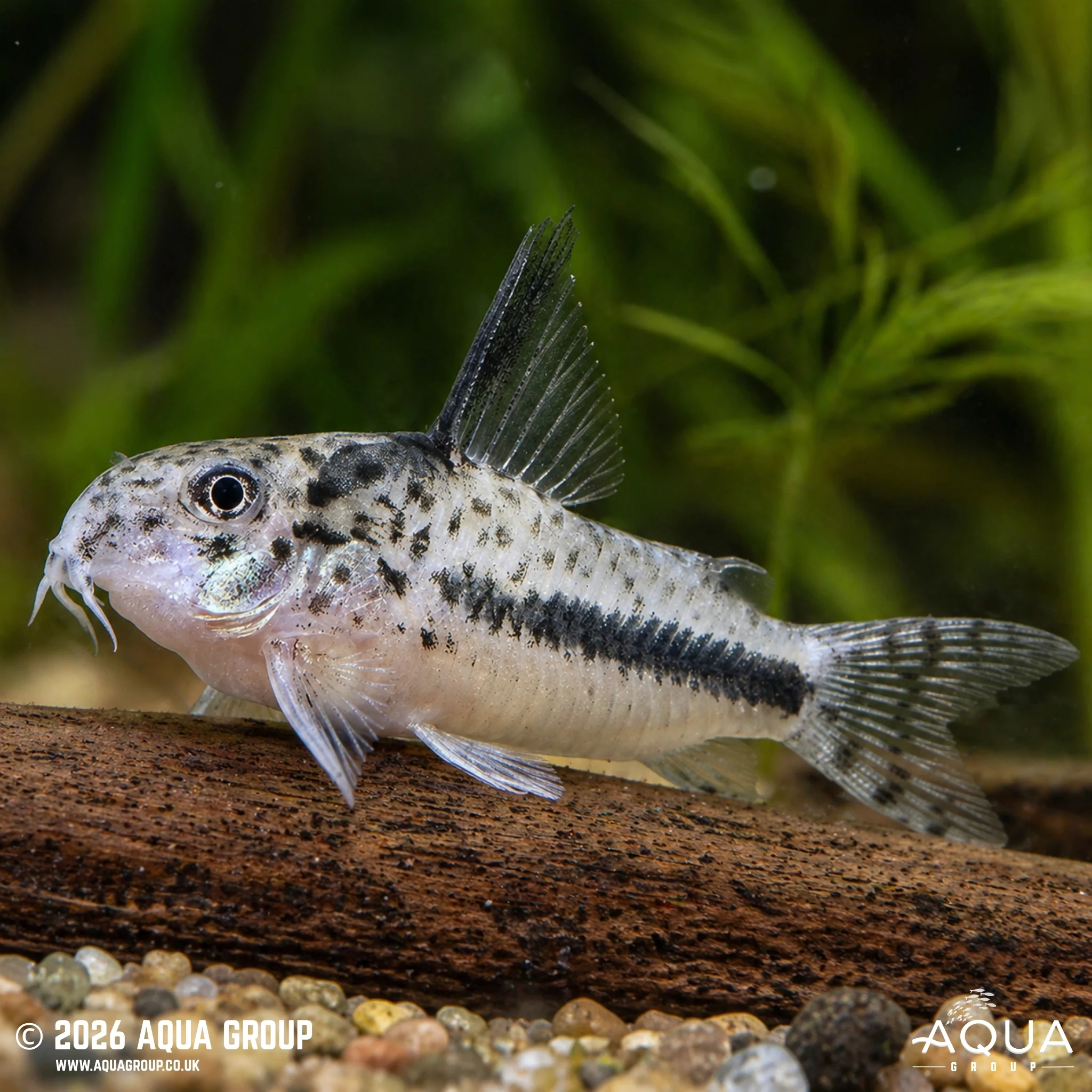
CW124 Inka Cory - Corydoras sp
CW124 Cory (Corydoras sp. “CW124”)
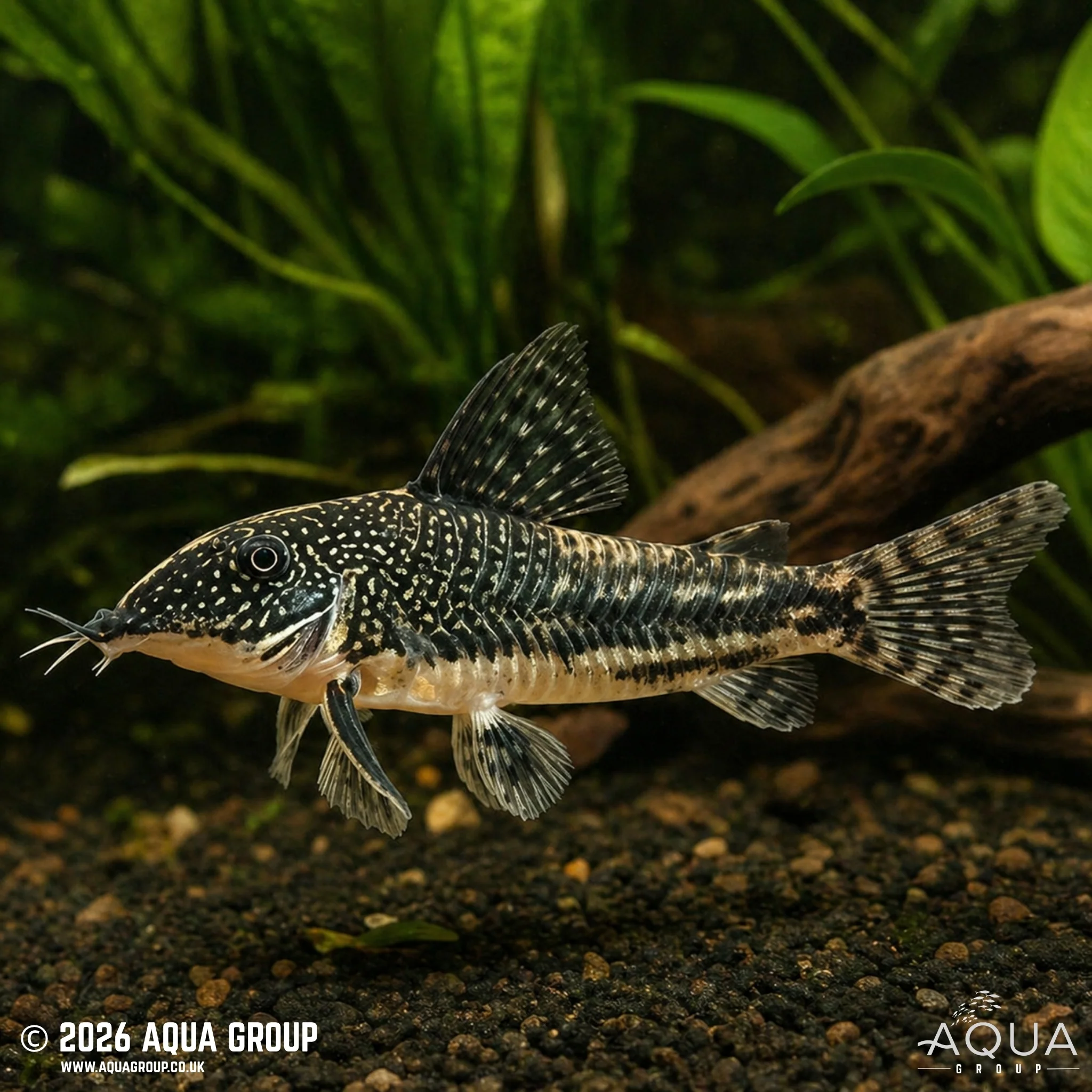
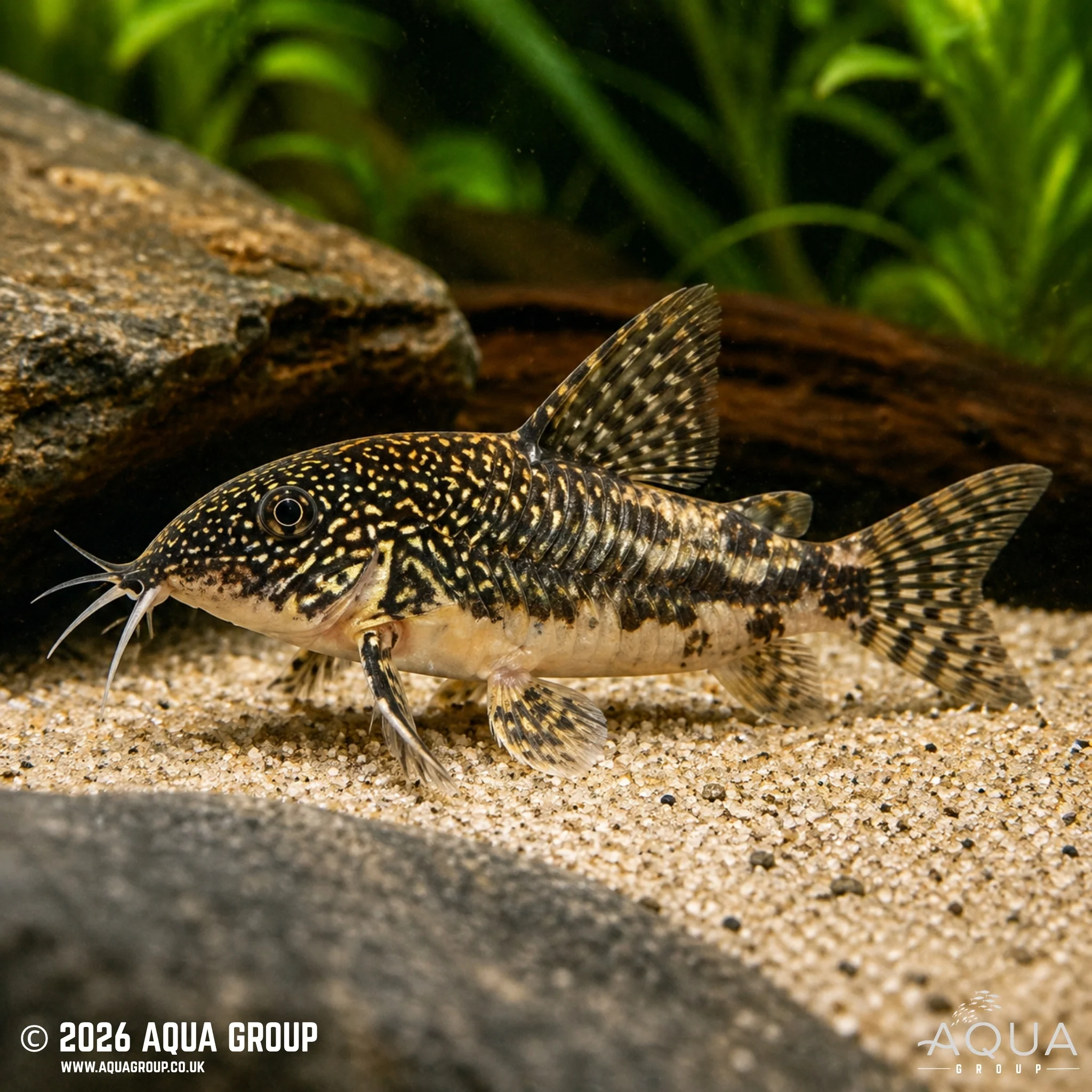
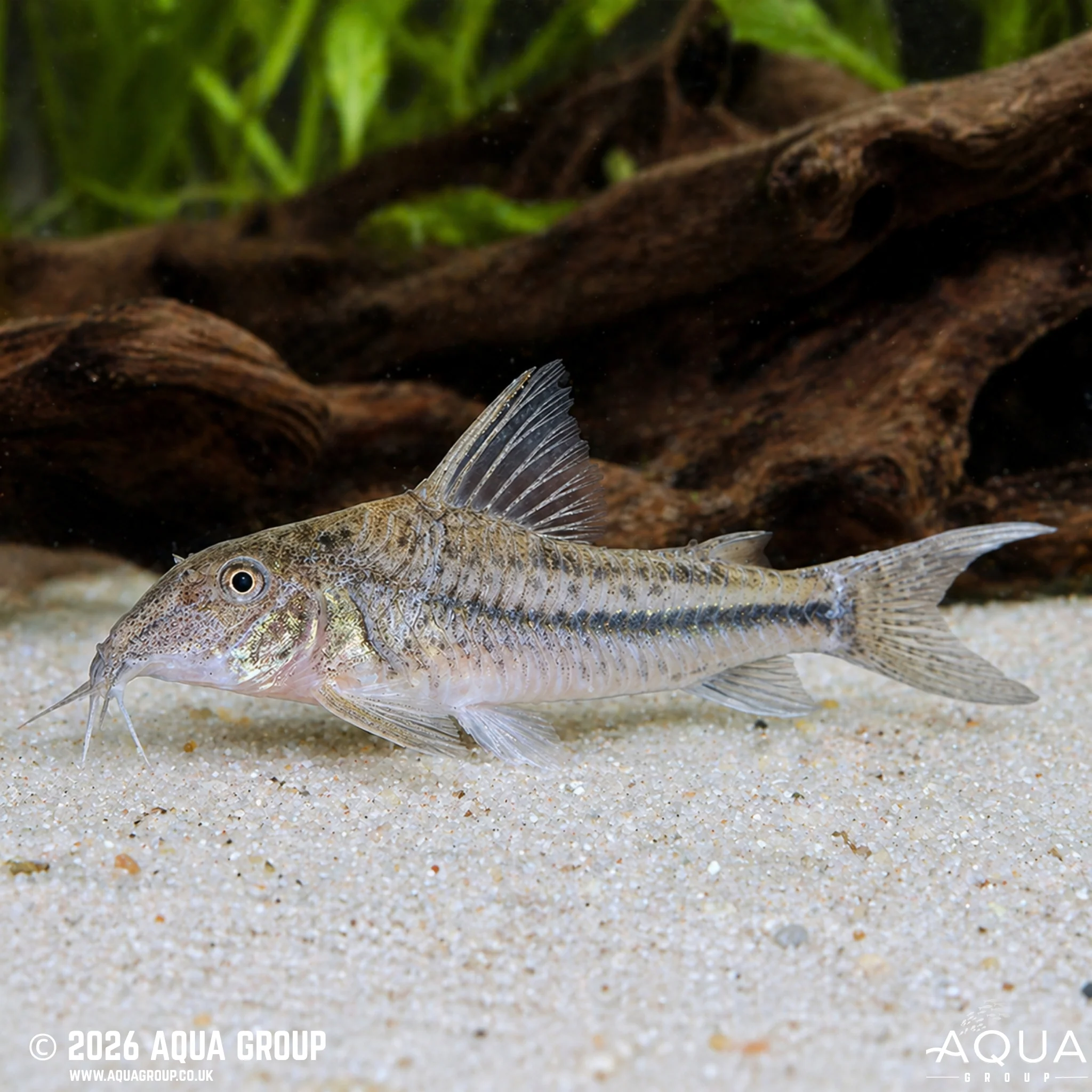
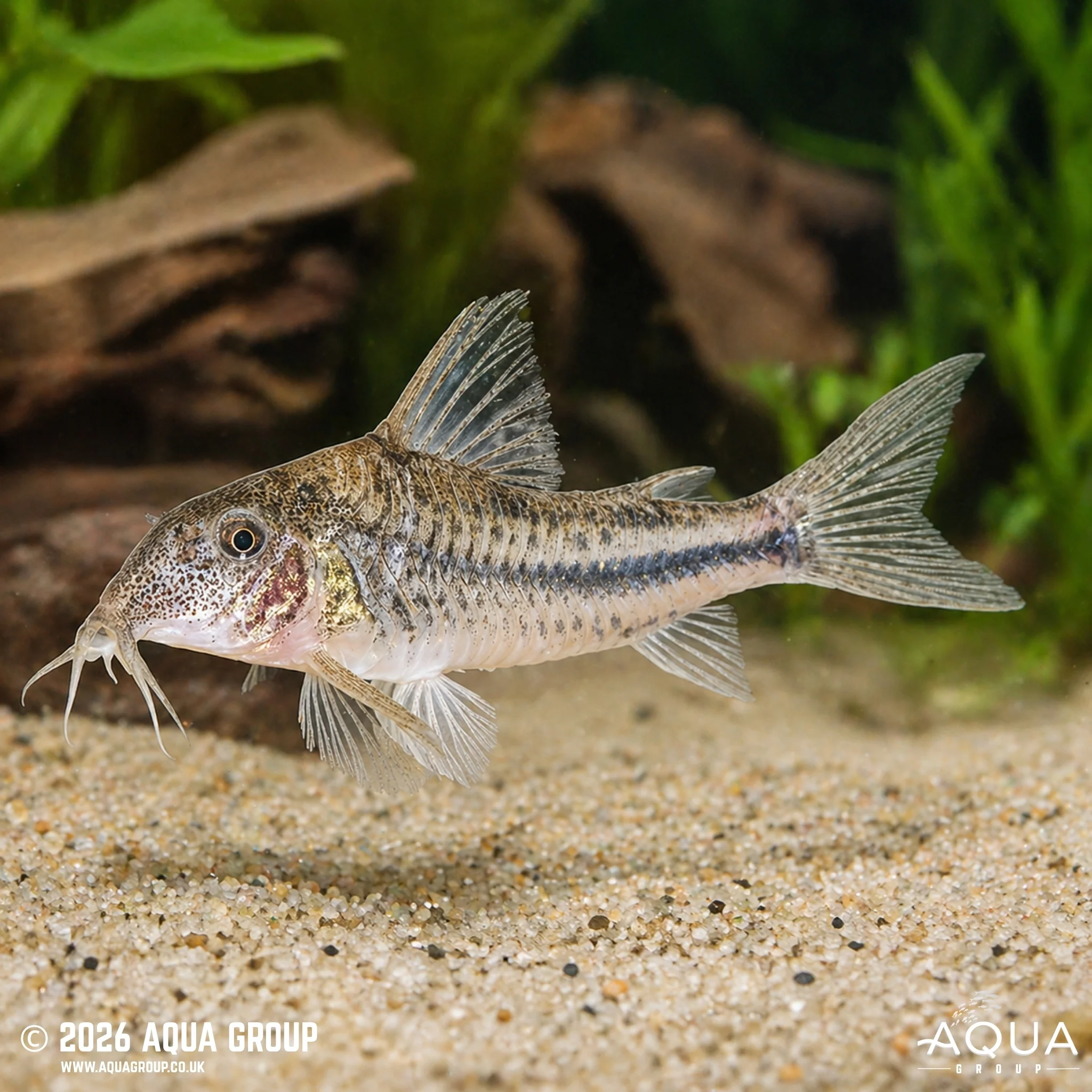
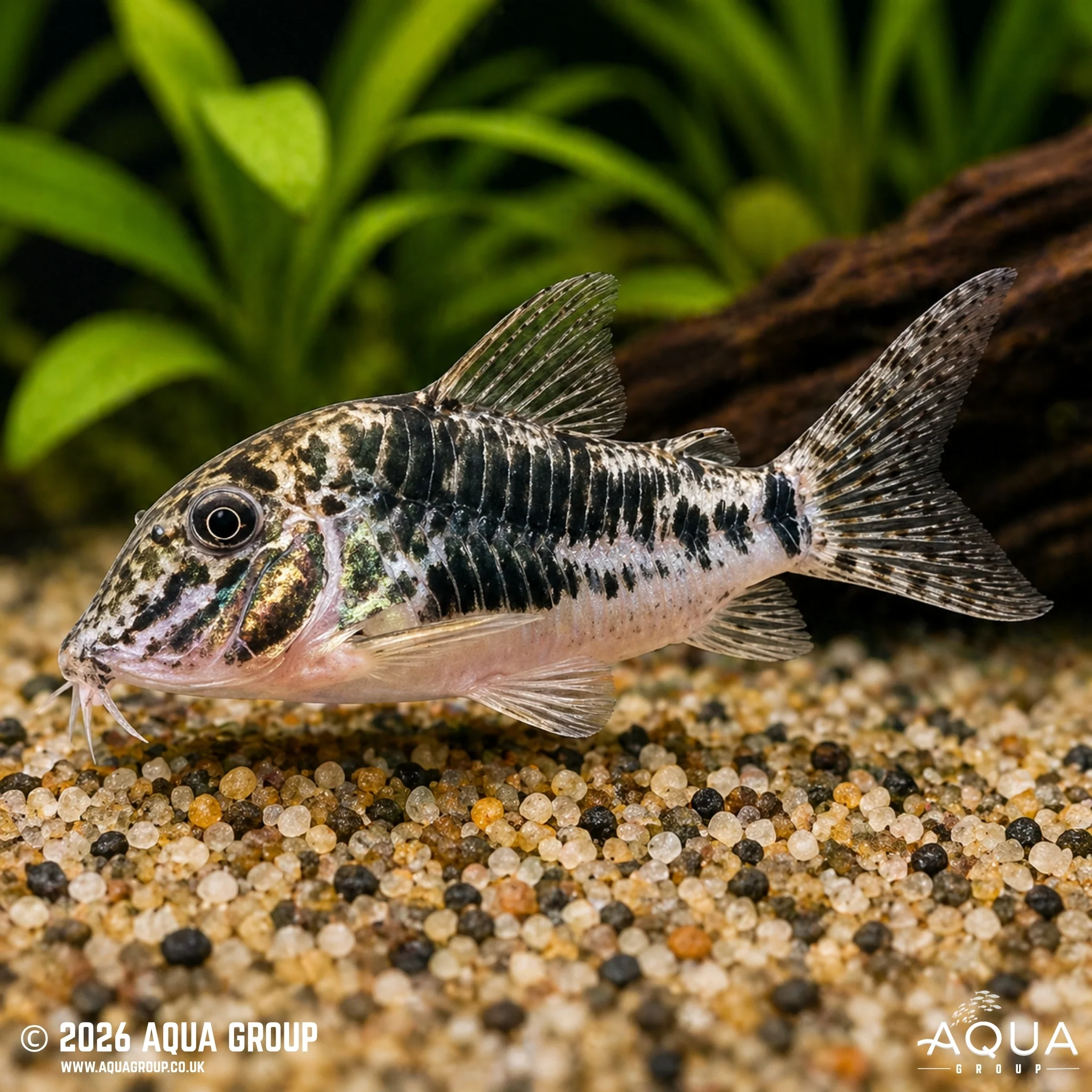
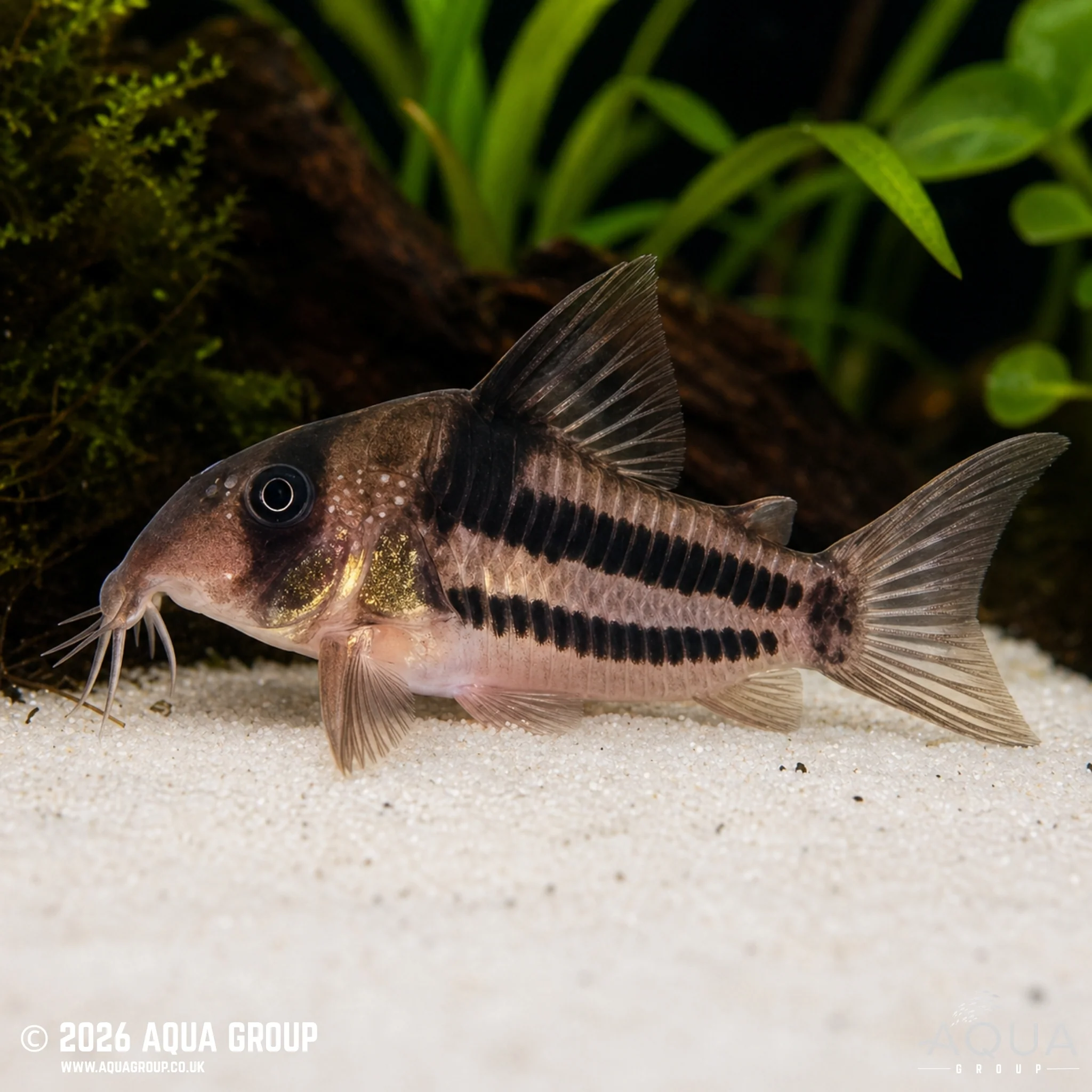
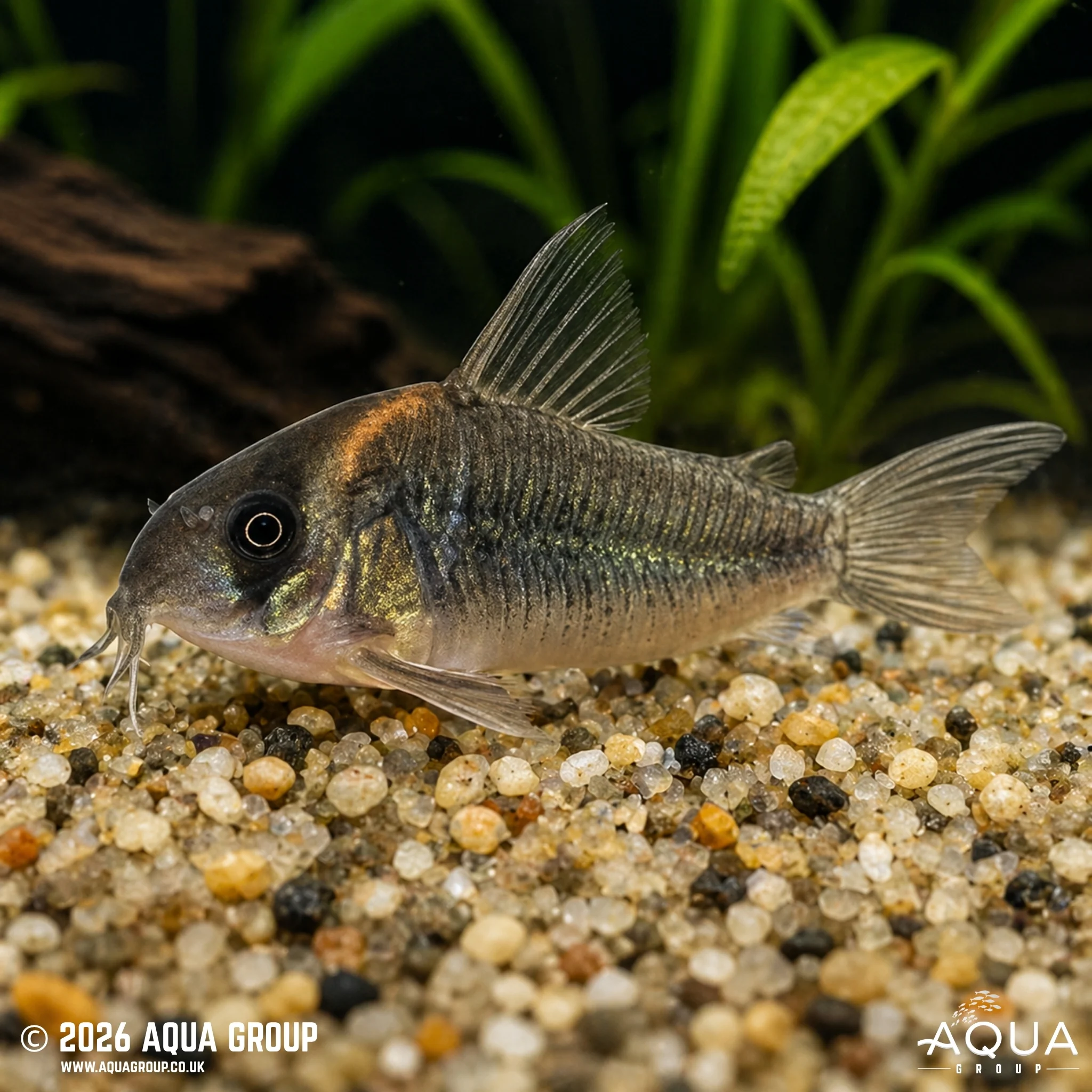
The CW124 Cory is a rare and attractive long-snouted Corydoras-type catfish from Peru, also known in the hobby as the Inka Cory. It has a pale body overlaid with charcoal-grey patterning, with individual markings varying from fish to fish. Males are often darker and more sharply patterned, while females usually become fuller-bodied. This is a peaceful, social bottom-dweller for a mature freshwater aquarium, best kept in a group on soft sand with clean, stable water.
Common Name:
CW124 Cory. Also commonly referred to as the Inka Cory or CW124 Corydoras.
Scientific Name (Latin):
Corydoras sp. “CW124”
Maximum Size:
Around 6–8 cm, with females usually growing slightly larger and fuller-bodied than males.
Water Type:
Freshwater
Origin / Natural Habitat:
Native to South America, with records from Peru, particularly the Madre de Dios / Rio Las Piedras region. In the wild, it has been associated with shallow pools, small streams and swamp-fed forest waterways with soft substrate, leaf litter, roots and gentle to moderate flow.
Water Parameters:
Temperature: 22–26°C
pH Range: 6.5–7.5
Hardness: soft to moderately hard water, with softer water preferred
Temperament:
Peaceful and suitable for a calm community aquarium. Males can be active and may spar or chase lightly within the group, but this is usually harmless when they are kept in good numbers with enough space.
Diet:
Omnivorous bottom feeder. It should be offered a varied diet including quality sinking catfish pellets, fine granules, frozen bloodworm, daphnia, brineshrimp, mosquito larvae and other small frozen or live foods. It will search the substrate for food, but should not be expected to survive only on leftovers.
Minimum Tank Size:
A practical recommendation is at least 90 litres for a small group, with 120 litres or larger preferred due to its active nature and long-snouted feeding behaviour.
Behaviour & Activity:
This is a social bottom-dweller that should be kept in a group of at least 6, ideally 8 or more. It spends much of its time exploring the substrate, foraging through sand and resting with its own kind. Being a long-snouted Corydoras, it benefits from fine soft sand where it can naturally search for food without damaging its barbels or snout.
Aquarium Category:
Community Fish
This species is peaceful and works well with other calm freshwater fish that enjoy similar conditions. Suitable tank mates include small to medium tetras, pencilfish, peaceful rasboras, dwarf cichlids, Otocinclus, small plecos and other non-aggressive community species. Avoid aggressive cichlids, large predators, rough bottom-dwellers and fish that may outcompete it at feeding time.
Special Requirements or Care Notes:
Best kept in a mature aquarium with soft sand, stable water quality, good oxygenation and regular maintenance. Provide shaded areas, wood, leaf litter, plants and open sandy patches for natural foraging. Avoid sharp gravel, dirty substrate and poor water quality, as Corydoras-type catfish are prone to barbel damage and stress in unsuitable conditions.
Suitable for:
Intermediate fishkeepers
Availability:
Rare / occasional in trade
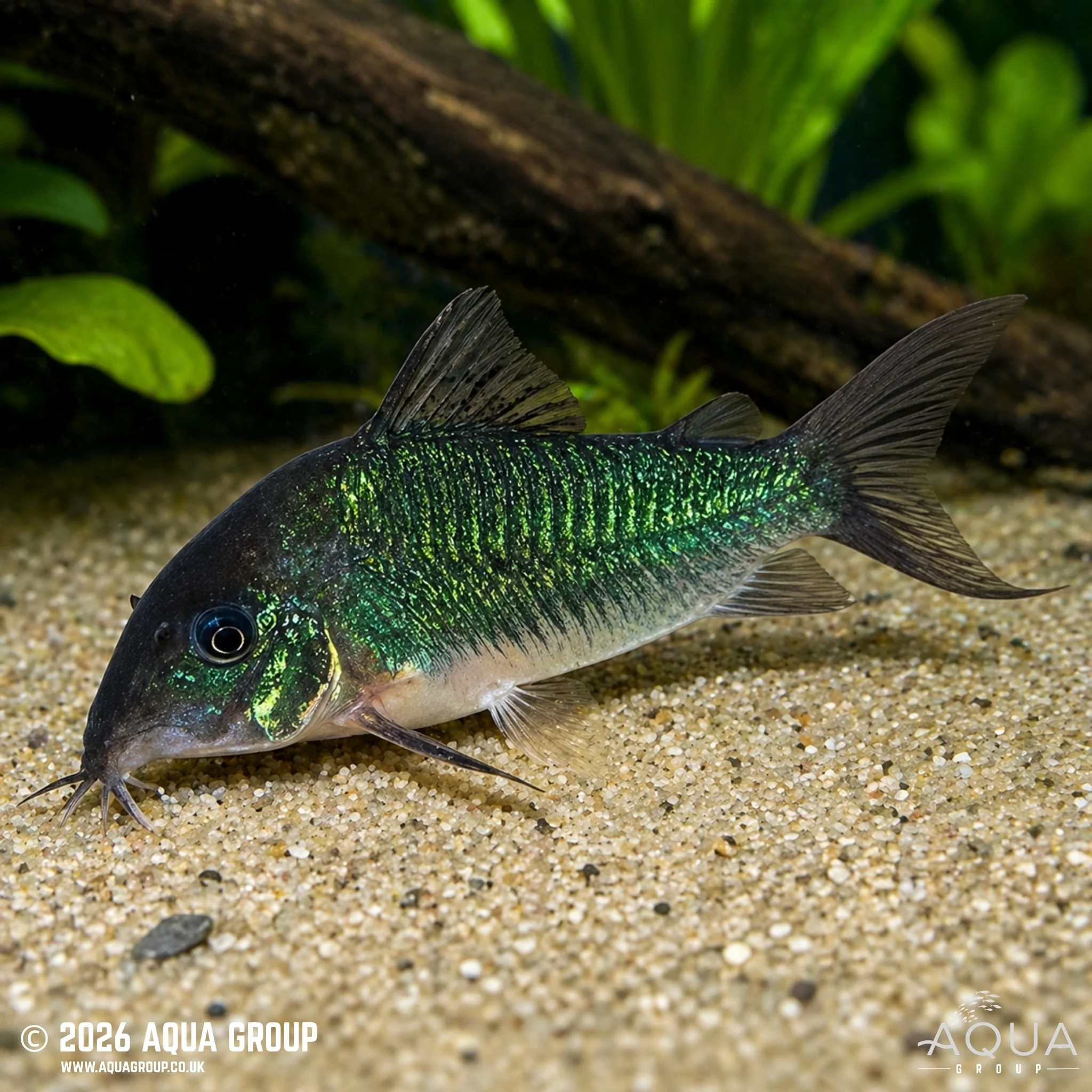
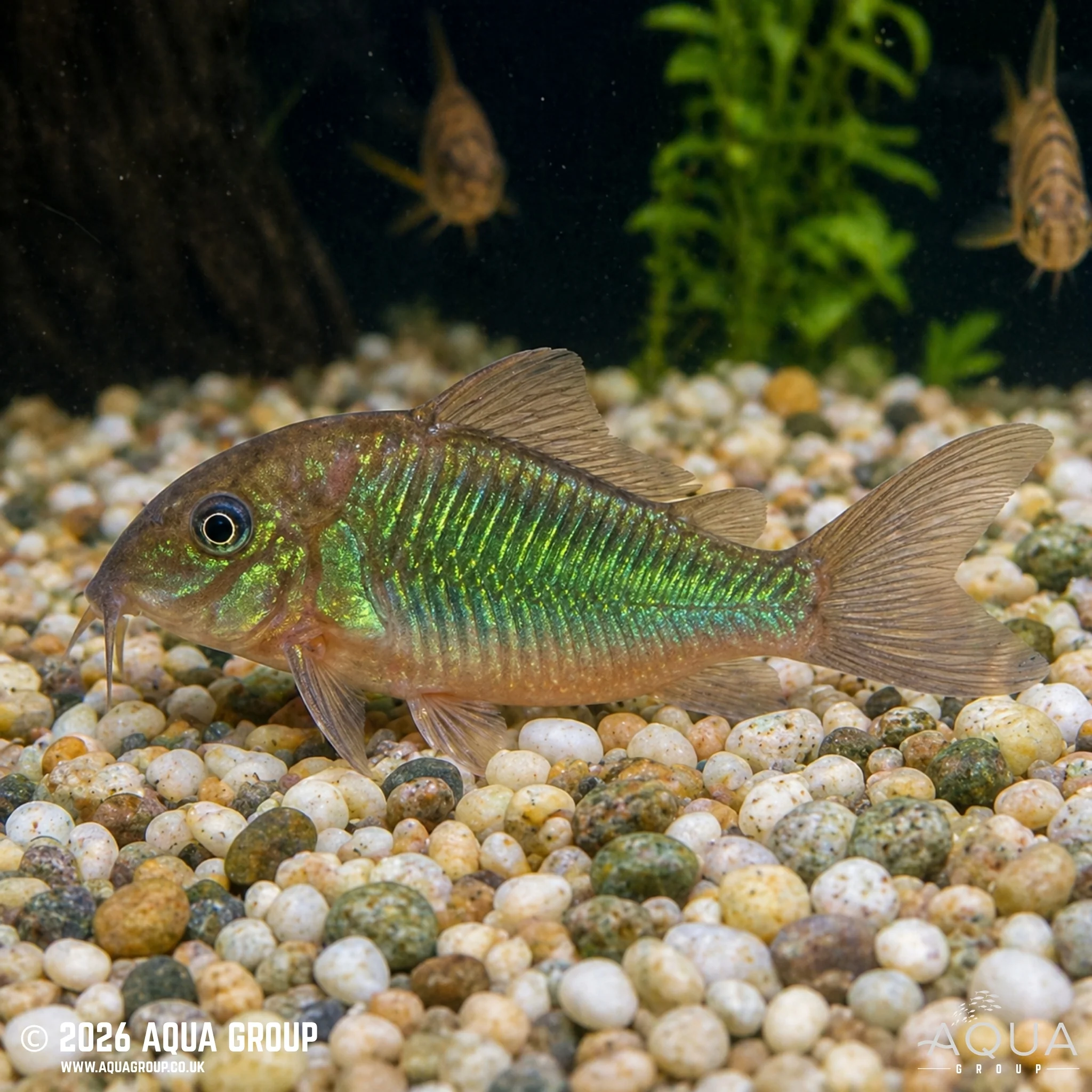
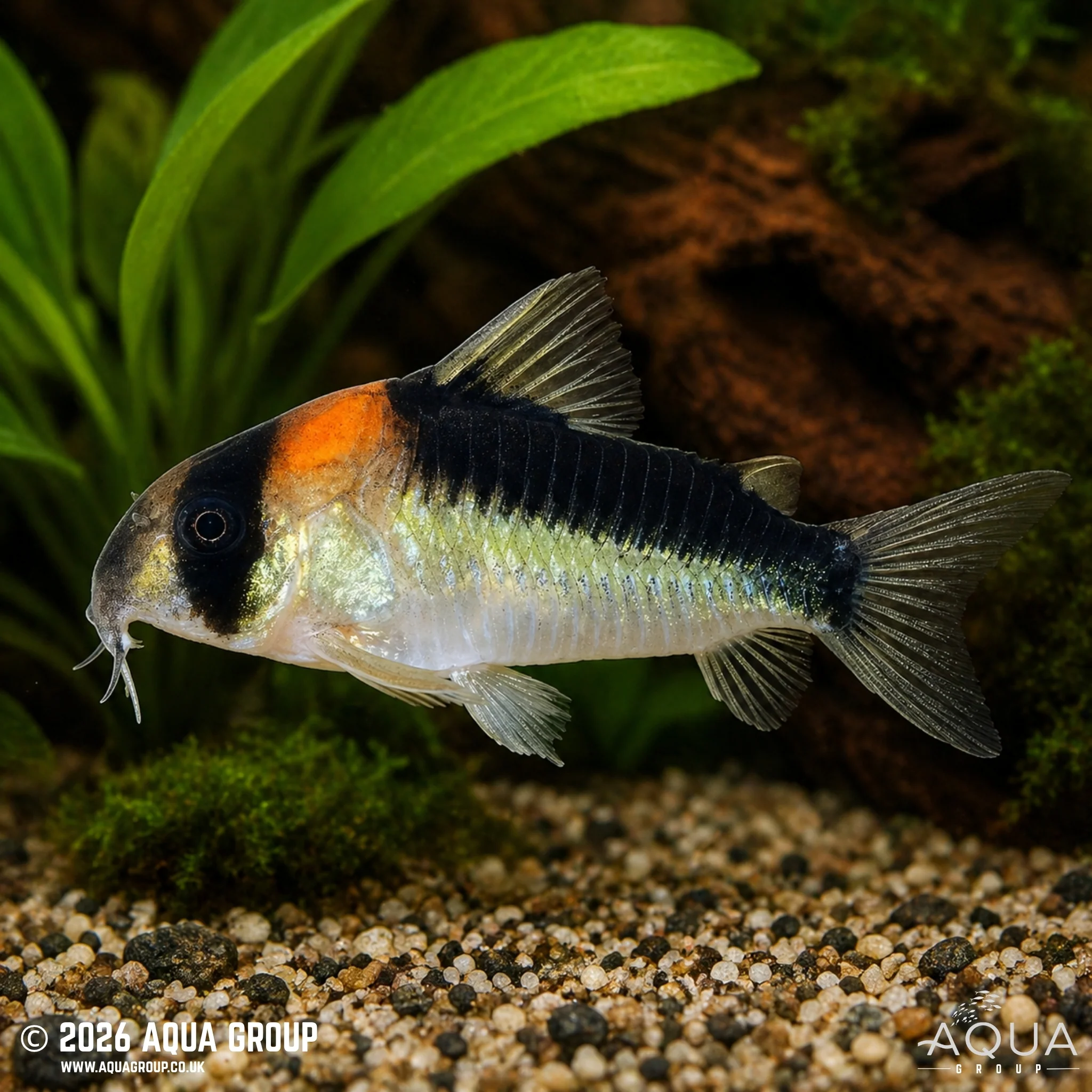
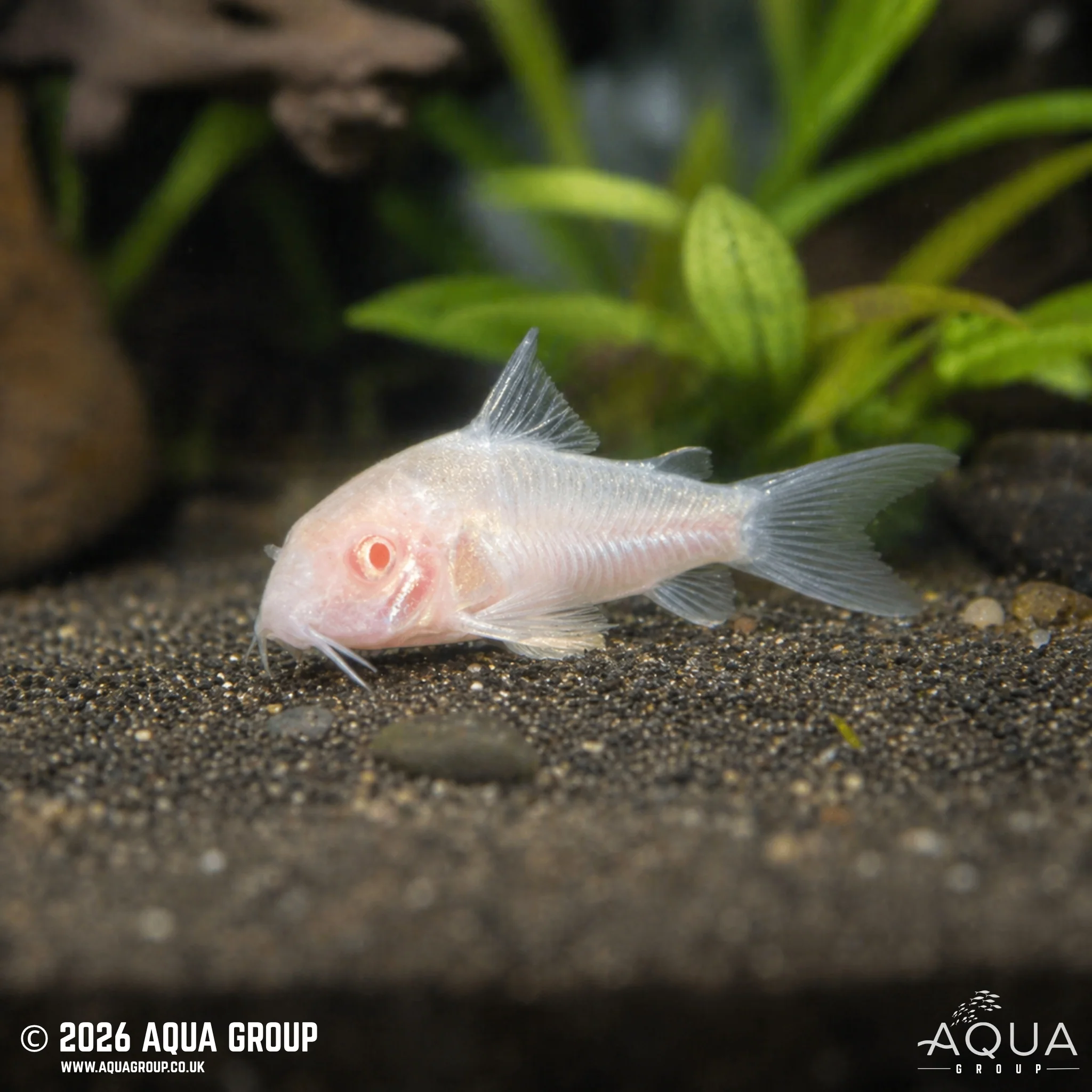
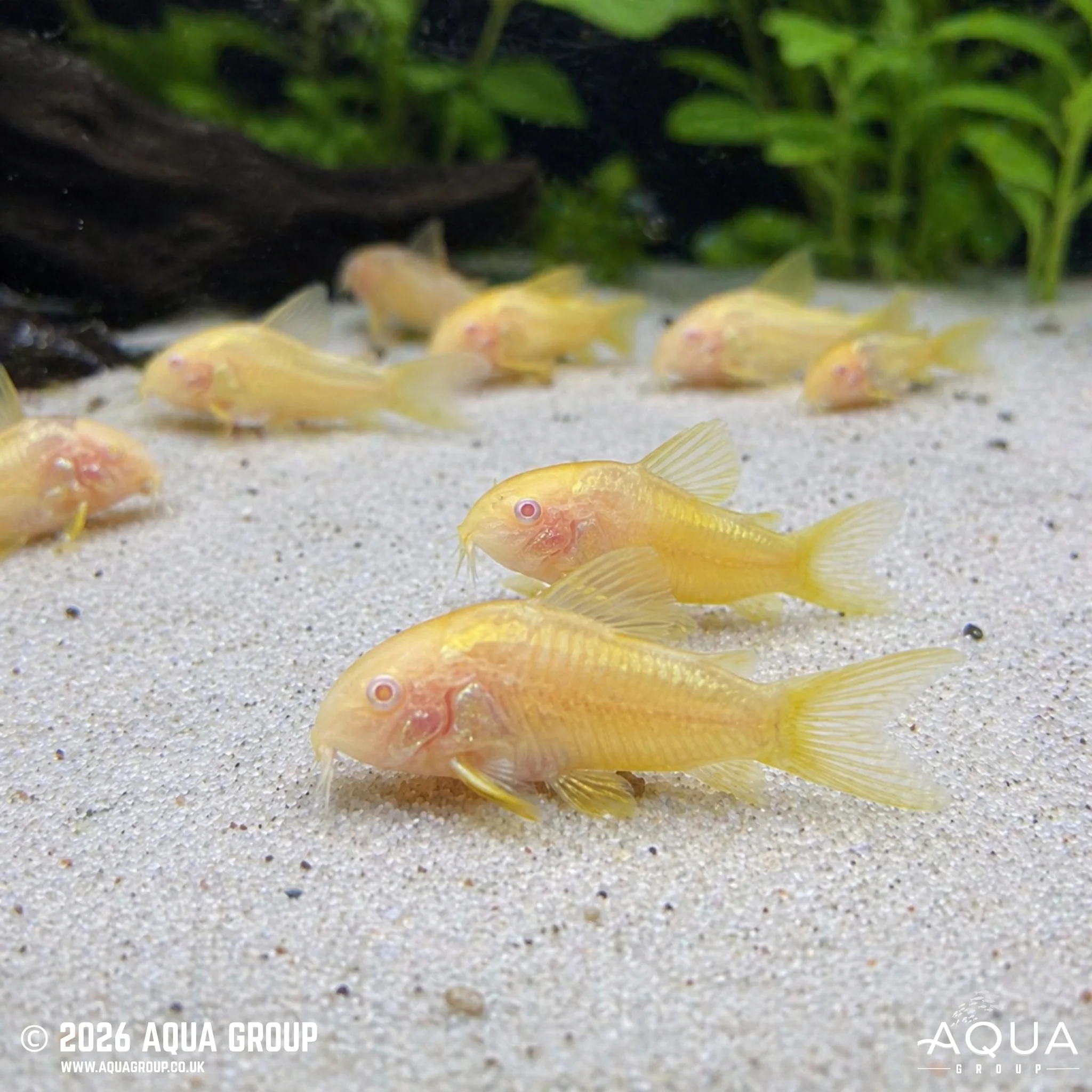
All images are a visual representation of the fish you will receive, made to be as accurate as possible. Please note that Mother Nature is a wonderful thing, and variation in patterns and colours will occur — that is part of the unique beauty of these animals.
Product Information
Product Information
Shipping & Returns
Shipping & Returns
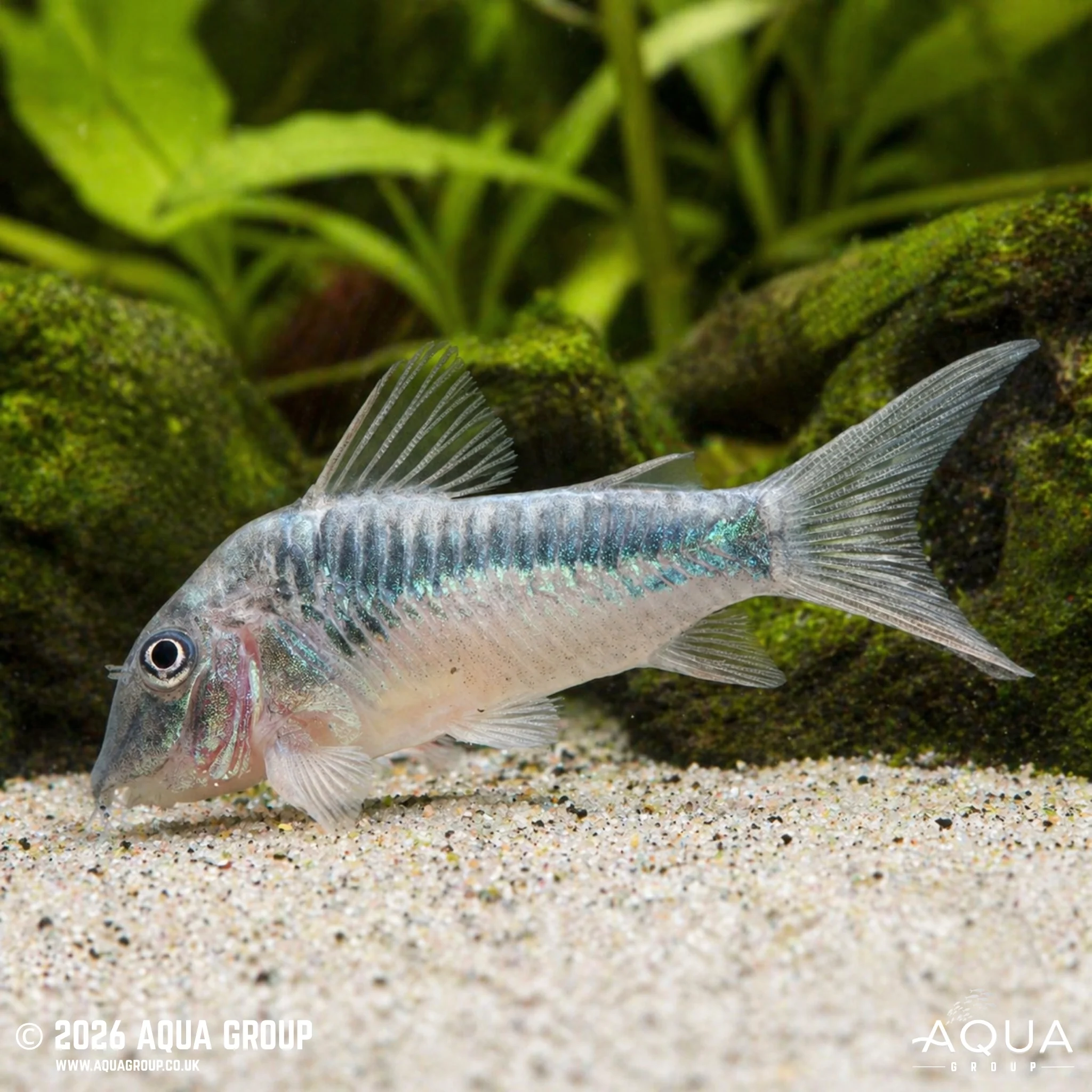
CW124 Inka Cory - Corydoras sp
CW124 Inka Cory - Corydoras sp
CW124 Cory (Corydoras sp. “CW124”)
The CW124 Cory is a rare and attractive long-snouted Corydoras-type catfish from Peru, also known in the hobby as the Inka Cory. It has a pale body overlaid with charcoal-grey patterning, with individual markings varying from fish to fish. Males are often darker and more sharply patterned, while females usually become fuller-bodied. This is a peaceful, social bottom-dweller for a mature freshwater aquarium, best kept in a group on soft sand with clean, stable water.
Common Name:
CW124 Cory. Also commonly referred to as the Inka Cory or CW124 Corydoras.
Scientific Name (Latin):
Corydoras sp. “CW124”
Maximum Size:
Around 6–8 cm, with females usually growing slightly larger and fuller-bodied than males.
Water Type:
Freshwater
Origin / Natural Habitat:
Native to South America, with records from Peru, particularly the Madre de Dios / Rio Las Piedras region. In the wild, it has been associated with shallow pools, small streams and swamp-fed forest waterways with soft substrate, leaf litter, roots and gentle to moderate flow.
Water Parameters:
Temperature: 22–26°C
pH Range: 6.5–7.5
Hardness: soft to moderately hard water, with softer water preferred
Temperament:
Peaceful and suitable for a calm community aquarium. Males can be active and may spar or chase lightly within the group, but this is usually harmless when they are kept in good numbers with enough space.
Diet:
Omnivorous bottom feeder. It should be offered a varied diet including quality sinking catfish pellets, fine granules, frozen bloodworm, daphnia, brineshrimp, mosquito larvae and other small frozen or live foods. It will search the substrate for food, but should not be expected to survive only on leftovers.
Minimum Tank Size:
A practical recommendation is at least 90 litres for a small group, with 120 litres or larger preferred due to its active nature and long-snouted feeding behaviour.
Behaviour & Activity:
This is a social bottom-dweller that should be kept in a group of at least 6, ideally 8 or more. It spends much of its time exploring the substrate, foraging through sand and resting with its own kind. Being a long-snouted Corydoras, it benefits from fine soft sand where it can naturally search for food without damaging its barbels or snout.
Aquarium Category:
Community Fish
This species is peaceful and works well with other calm freshwater fish that enjoy similar conditions. Suitable tank mates include small to medium tetras, pencilfish, peaceful rasboras, dwarf cichlids, Otocinclus, small plecos and other non-aggressive community species. Avoid aggressive cichlids, large predators, rough bottom-dwellers and fish that may outcompete it at feeding time.
Special Requirements or Care Notes:
Best kept in a mature aquarium with soft sand, stable water quality, good oxygenation and regular maintenance. Provide shaded areas, wood, leaf litter, plants and open sandy patches for natural foraging. Avoid sharp gravel, dirty substrate and poor water quality, as Corydoras-type catfish are prone to barbel damage and stress in unsuitable conditions.
Suitable for:
Intermediate fishkeepers
Availability:
Rare / occasional in trade
All images are a visual representation of the fish you will receive, made to be as accurate as possible. Please note that Mother Nature is a wonderful thing, and variation in patterns and colours will occur — that is part of the unique beauty of these animals.
Original: $27.04
-65%$27.04
$9.46Product Information
Product Information
Shipping & Returns
Shipping & Returns
Description
CW124 Cory (Corydoras sp. “CW124”)
The CW124 Cory is a rare and attractive long-snouted Corydoras-type catfish from Peru, also known in the hobby as the Inka Cory. It has a pale body overlaid with charcoal-grey patterning, with individual markings varying from fish to fish. Males are often darker and more sharply patterned, while females usually become fuller-bodied. This is a peaceful, social bottom-dweller for a mature freshwater aquarium, best kept in a group on soft sand with clean, stable water.
Common Name:
CW124 Cory. Also commonly referred to as the Inka Cory or CW124 Corydoras.
Scientific Name (Latin):
Corydoras sp. “CW124”
Maximum Size:
Around 6–8 cm, with females usually growing slightly larger and fuller-bodied than males.
Water Type:
Freshwater
Origin / Natural Habitat:
Native to South America, with records from Peru, particularly the Madre de Dios / Rio Las Piedras region. In the wild, it has been associated with shallow pools, small streams and swamp-fed forest waterways with soft substrate, leaf litter, roots and gentle to moderate flow.
Water Parameters:
Temperature: 22–26°C
pH Range: 6.5–7.5
Hardness: soft to moderately hard water, with softer water preferred
Temperament:
Peaceful and suitable for a calm community aquarium. Males can be active and may spar or chase lightly within the group, but this is usually harmless when they are kept in good numbers with enough space.
Diet:
Omnivorous bottom feeder. It should be offered a varied diet including quality sinking catfish pellets, fine granules, frozen bloodworm, daphnia, brineshrimp, mosquito larvae and other small frozen or live foods. It will search the substrate for food, but should not be expected to survive only on leftovers.
Minimum Tank Size:
A practical recommendation is at least 90 litres for a small group, with 120 litres or larger preferred due to its active nature and long-snouted feeding behaviour.
Behaviour & Activity:
This is a social bottom-dweller that should be kept in a group of at least 6, ideally 8 or more. It spends much of its time exploring the substrate, foraging through sand and resting with its own kind. Being a long-snouted Corydoras, it benefits from fine soft sand where it can naturally search for food without damaging its barbels or snout.
Aquarium Category:
Community Fish
This species is peaceful and works well with other calm freshwater fish that enjoy similar conditions. Suitable tank mates include small to medium tetras, pencilfish, peaceful rasboras, dwarf cichlids, Otocinclus, small plecos and other non-aggressive community species. Avoid aggressive cichlids, large predators, rough bottom-dwellers and fish that may outcompete it at feeding time.
Special Requirements or Care Notes:
Best kept in a mature aquarium with soft sand, stable water quality, good oxygenation and regular maintenance. Provide shaded areas, wood, leaf litter, plants and open sandy patches for natural foraging. Avoid sharp gravel, dirty substrate and poor water quality, as Corydoras-type catfish are prone to barbel damage and stress in unsuitable conditions.
Suitable for:
Intermediate fishkeepers
Availability:
Rare / occasional in trade
All images are a visual representation of the fish you will receive, made to be as accurate as possible. Please note that Mother Nature is a wonderful thing, and variation in patterns and colours will occur — that is part of the unique beauty of these animals.